
How Cosmetic and General Dentistry Work Together
28 September 2026 | Cosmetic Dentistry, General Dentistry, Orthodontics
If you are thinking about improving the appearance of your teeth, it is natural to focus on colour, shape or alignment. In practice, cosmetic and general dentistry often work best together because the health of your teeth and gums can influence what cosmetic options are suitable, how treatment is planned and how stable the result may be over time.
General dentistry looks after everyday oral health, including check-ups, cleans, fillings, gum care and tooth repairs. Cosmetic dentistry focuses on appearance, such as whitening, veneers, bonding or orthodontic treatment to move teeth. Many patients need a mix of both, especially when they want treatment that looks natural and also supports chewing, cleaning and comfort.
Why cosmetic and general dentistry belong in the same plan
Cosmetic treatment usually starts with a healthy foundation. If a tooth has decay, gum inflammation or an old restoration that is failing, those issues may need to be assessed before a cosmetic option is recommended. This is not about delaying treatment unnecessarily. It is about making sure the chosen approach suits your oral health, not just the way your teeth look in photos.
For example, whitening may not change the colour of existing fillings, crowns or veneers. Straightening teeth may be harder to plan if gum health needs attention first. A chipped tooth may be repaired with bonding, but if the chip is linked to grinding or bite pressure, your dentist may also look at the way your teeth meet.
When cosmetic and general dentistry are considered together, your dentist can discuss appearance, function, risks and alternatives in one plan rather than treating each concern separately.
What general dentistry contributes first
General dentistry is often the starting point because it helps your dentist understand what is happening underneath the surface. A routine examination may include checking the teeth, gums, bite, jaw joints, existing fillings and signs of wear. X-rays may be recommended when your dentist needs to see areas that cannot be properly assessed by sight alone.
A check-up and clean can also help identify plaque and calculus build-up, early gum changes or areas that are hard to brush. If you are unsure what happens at this kind of appointment, Dental Spa has a helpful overview of what to expect during a dentist check-up and clean.
General care may include fillings, gum treatment, root canal treatment, crowns or advice on home care. The Australian Dental Association’s patient resource, Teeth.org.au, also provides general oral health information for Australians.
The main point is simple: a cosmetic plan is usually more useful when it is based on a clear understanding of your oral health.
Where cosmetic dentistry fits in
Cosmetic dentistry may be considered when a patient wants to change the shade, shape, position or proportions of their teeth. Depending on the situation, options may include professional teeth whitening, composite bonding, veneers, crowns, clear aligners such as Invisalign or braces.
These treatments are not all suitable for the same concerns. Whitening may help with certain types of tooth staining, but it will not change tooth position. Bonding may be considered for some chips or small shape changes, but it may not be the right option when a tooth is heavily restored or under strong biting forces. Orthodontic treatment may improve alignment, but it requires suitable gum and bone support.
This is where cosmetic and general dentistry overlap. A dentist may need to check the strength of teeth, gum stability, bite pressure and existing restorations before discussing cosmetic choices. A clinical assessment helps clarify what is reasonable for your circumstances and what limitations may apply.
How a combined plan may be staged
A combined treatment plan is usually staged in a logical order. The exact sequence varies between patients, but the aim is to address active oral health concerns before making cosmetic changes that depend on that foundation.
For someone in Geelong considering whitening, veneers or aligner treatment, the first appointment is usually about gathering information rather than committing to a procedure. Your dentist may ask what bothers you, what you would like to change and whether you have symptoms such as sensitivity, bleeding gums, pain or jaw discomfort.
A plan involving cosmetic and general dentistry may follow a sequence like this:
| Stage | What may be assessed | Why it matters |
|---|---|---|
| Oral health check | Teeth, gums, bite, jaw joints and existing dental work | Identifies health concerns that may affect treatment choices |
| Stabilising care | Cleans, fillings, gum care or repair of damaged teeth if needed | Helps create a healthier starting point |
| Cosmetic planning | Shade, shape, alignment and tooth proportions | Matches treatment options to the concern being addressed |
| Treatment discussion | Benefits, limitations, risks, alternatives and costs | Supports informed consent before treatment begins |
| Review and maintenance | Home care, check-ups and protective advice | Helps monitor oral health after treatment |
This order is not a rule for everyone. Some people only need preventive care before a cosmetic treatment, while others may need restorative care first.
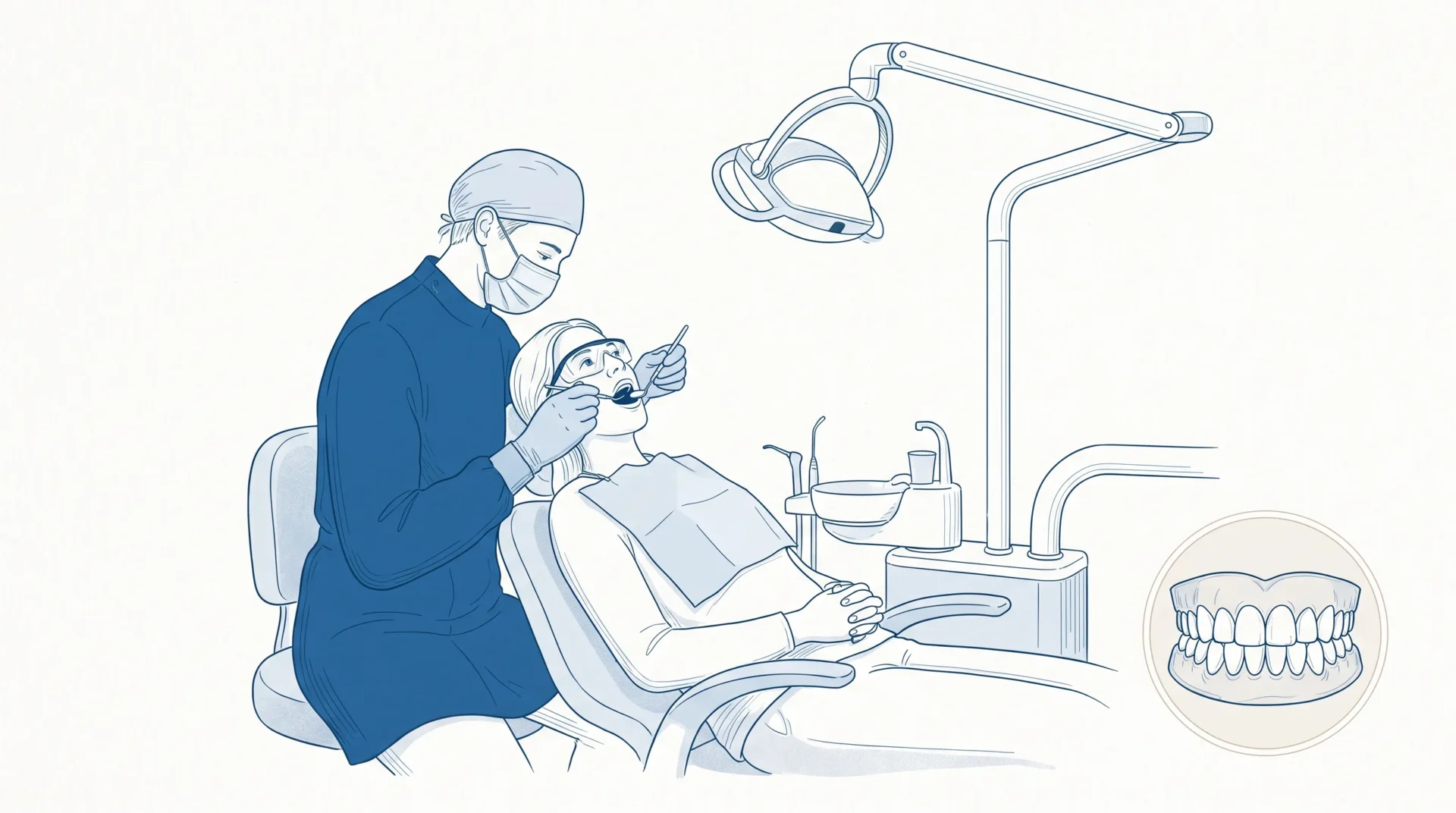
Common examples of overlap
A helpful way to understand the connection is to look at everyday dental situations where appearance and health are closely linked.
A dark front tooth may be a cosmetic concern, but it can sometimes indicate past trauma or changes inside the tooth. A worn edge may affect appearance, but it may also be linked to grinding, erosion or bite forces. Gaps, crowding or rotated teeth may be aesthetic concerns, yet they can also affect how easily a person cleans between teeth.
Crowns are another common overlap. A crown may be recommended to protect a heavily filled, cracked or root-treated tooth. At the same time, the dentist considers how the crown fits with the surrounding teeth in colour, shape and bite. This means the treatment has both restorative and cosmetic elements.
Dental implants can also involve this balance. They may be considered to replace a missing tooth, but planning usually includes gum health, bone structure, bite forces and the appearance of the final crown. Suitability varies and an individual assessment is needed.
For a broader explanation of restorative options, Dental Spa’s guide to root canal treatment, crowns and dental implants outlines how different approaches may be considered.
What to expect during a cosmetic discussion
A cosmetic appointment should not feel like a sales appointment. It should be a structured conversation about your concerns, oral health and available choices. Your dentist may take photographs, examine your teeth and gums, review your bite and discuss whether X-rays or scans are appropriate.
If you are comparing treatments, it can be useful to ask:
- What problem is this treatment aiming to address?
- Are there any oral health issues to manage first?
- What are the likely benefits, limitations and risks?
- How long might treatment take in my situation?
- What maintenance may be needed afterwards?
- Are there more conservative options to consider?
These questions are especially useful because cosmetic and general dentistry can involve more than one possible pathway. For example, a small chip may be managed differently from a tooth with a large old filling. Mild crowding may have different options from more complex bite changes.
If you are planning your first cosmetic discussion, Dental Spa’s article on what to expect from a cosmetic dentist consultation explains the appointment process in more detail.
Comfort, bite and whole-mouth function
Appearance is only one part of dental planning. Your dentist may also ask about sensitivity, headaches, jaw clicking, grinding, clenching or neck tension. These symptoms do not automatically mean you need dental treatment, but they can provide useful context when assessing bite forces or tooth wear.
Some people also manage posture or neck issues with other health professionals. If neck pain or posture is a separate concern, it may be appropriate to seek assessment from a qualified practitioner, such as a clinic that focuses on neck and posture assessment, while keeping dental diagnosis and treatment planning with your dentist.
In dentistry, the aim is not to treat the whole body from the dental chair. It is to understand whether your teeth, gums, jaw joints and bite are working comfortably together before starting treatment that changes tooth shape or position.
Benefits, limitations and risks to keep in mind
When cosmetic and general dentistry are planned together, the possible benefit is a more complete view of your oral health and appearance goals. It may help your dentist recommend a sequence that addresses active dental problems, avoids unnecessary treatment and supports easier maintenance.
There are also limitations. Not every concern can be treated with the most conservative option. Tooth colour, enamel thickness, gum levels, previous dental work and bite forces can affect what is possible. Some treatments need ongoing maintenance, repairs or replacement over time.
All dental procedures carry potential risks and benefits. These may include sensitivity, discomfort, gum irritation, changes to bite feel, damage to restorations or the need for additional treatment. The risks vary depending on the procedure and the individual patient.
A clinical assessment is needed before any treatment can be recommended. Your dentist can explain the options that may be suitable for your oral health, medical history, anatomy, treatment goals and preferences.
When should you speak with a dentist?
Consider arranging a dental examination if you are thinking about cosmetic treatment and you also have tooth pain, sensitivity, bleeding gums, a broken filling, a chipped tooth, a loose tooth or swelling. These symptoms may need assessment before cosmetic planning.
You may also want advice if you are unsure whether your concern is mainly cosmetic or functional. Many dental issues sit somewhere between the two. A worn tooth, for example, may affect appearance but also provide clues about bite forces or enamel loss.
For people in Geelong, Newtown, Geelong West, East Geelong, Belmont or Highton, a local appointment can be a practical way to discuss options without relying on generic online advice. Online information can be useful for learning, but it cannot assess your mouth or provide a personalised diagnosis.
Frequently asked questions
Is cosmetic dentistry separate from general dentistry? They are different areas of care, but they often overlap. Cosmetic dentistry focuses on appearance, while general dentistry focuses on oral health, function and disease prevention. Many treatment plans consider both.
Do I need a check-up before whitening or veneers? A check-up is commonly recommended before cosmetic treatment so your dentist can assess decay, gum health, sensitivity, existing restorations and whether the option is suitable for your teeth.
Can a filling or crown be cosmetic as well as functional? Yes, some restorations are planned to repair or protect a tooth while also considering appearance. The priority is that the restoration suits the tooth, bite and oral health needs.
Is cosmetic dental treatment suitable for everyone? Not always. Suitability depends on oral health, medical history, tooth structure, gum health, bite, expectations and the specific procedure being considered.
How do I compare treatment options? Ask your dentist to explain the purpose of each option, the likely maintenance, possible risks, alternatives and what may happen if you choose not to proceed immediately.
Considering your options in Geelong
If you are weighing up cosmetic changes, restorative treatment or routine care, a dental examination can help clarify what is happening and which options may be appropriate. The most useful plan is one that considers oral health, function, appearance, risks, maintenance and your individual circumstances.
To discuss cosmetic and general dentistry in Geelong, you can book an appointment with the team at Dental Spa. Your dentist can assess your oral health and explain the potential benefits, limitations and alternatives before you decide what feels right for you.
Disclaimer
The information provided on this website is for general informational and educational purposes only. It is not intended to replace professional dental advice, diagnosis or treatment. Dental needs and treatment outcomes vary between individuals. Always seek advice from a qualified dental practitioner regarding your specific circumstances before making decisions about your oral health or treatment. A consultation and clinical assessment are required to determine which treatment options may be suitable for you. All dental procedures carry potential risks and benefits, which will be discussed with you before treatment.