
What Happens at a Dentist Check Up and Clean?
14 September 2026 | General Dentistry, Preventative Dentistry, Teeth Cleaning
If you have not been to the dentist for a while, a dentist check up and clean is usually a preventive appointment that looks at your teeth, gums and mouth, then removes plaque and hardened tartar that regular brushing cannot shift. It is not about judgement or being told off. It is a chance to understand what is happening in your mouth and what, if anything, may need attention.
For many people in Geelong, the uncertainty is what makes the appointment feel bigger than it is. Knowing the usual steps can make it easier to book with a clear idea of what to expect, how to prepare and what questions to ask.
What is included in a dentist check up and clean?
A dentist check up and clean usually combines two parts: an examination and a professional clean. The examination helps your dental team assess your oral health. The clean removes plaque, tartar and surface staining from accessible areas of the teeth.
Depending on your needs, the appointment may also include dental X-rays, fluoride application, gum measurements, oral hygiene advice or a discussion about treatment options. Not every person needs the same items at every visit, so your dentist should explain what is recommended and why.
At Dental Spa in Geelong, you may be seen by a dentist, dental hygienist or oral health therapist depending on the appointment type and your clinical needs. If you are unsure who does what, Dental Spa has a helpful guide explaining the difference between a dentist and hygienist.
| Part of the appointment | What may happen | Why it matters |
|---|---|---|
| Medical and dental history | You discuss medications, health conditions, dental concerns and previous treatment | Some health conditions and medicines can affect dental care |
| Dental examination | The dentist checks teeth, gums, bite, fillings, crowns and soft tissues | Helps identify signs of decay, gum problems, wear or other changes |
| Professional clean | Plaque and tartar are removed, then teeth may be polished | Supports gum health and makes home cleaning easier |
| X-rays, if needed | Small images may be taken when clinically indicated | Helps assess areas not visible during a mouth examination |
| Advice and next steps | Your dentist explains findings and options | Supports informed choices about prevention or treatment |
A dentist check up and clean is usually tailored to what your mouth needs on the day rather than following a rigid script.
Before the appointment: questions and health history
Your dental team will usually begin by asking about your general health and any concerns. This may include tooth sensitivity, bleeding gums, jaw discomfort, bad breath, grinding, dental anxiety or cosmetic concerns.
You may also be asked about:
- Current medications and supplements
- Allergies, including latex or medication allergies
- Pregnancy or recent major health changes
- Diabetes, heart conditions or immune system concerns
- Smoking, vaping or alcohol use
- Previous dental treatment and dental X-rays
This information is relevant because oral health and general health can influence one another. For example, some medicines can contribute to dry mouth, which may increase the risk of tooth decay. Your dentist can take this information into account when discussing prevention or treatment options.
The dental examination: what your dentist checks
During a dentist check up and clean, the examination is more than a quick look for cavities. Your dentist may check each tooth, existing fillings, crowns, bridges, implants or other dental work. They may also look for cracks, tooth wear, erosion from acid, signs of grinding and areas that are difficult to clean.
Your gums are assessed for signs of inflammation, bleeding, recession or pockets around the teeth. A periodontal probe, which is a small measuring instrument, may be used to gently measure spaces between the gum and tooth. This helps your dentist understand whether your gums are healthy or whether there may be signs of gum disease.
The dentist may also check your bite, jaw joints and the soft tissues of your mouth, including your tongue, cheeks, lips, palate and floor of the mouth. If an ulcer, patch or lump needs further review, your dentist may monitor it, take clinical notes or recommend referral depending on the finding.
Are dental X-rays always needed?
Dental X-rays are not automatically required at every visit. They may be recommended when your dentist needs more information than can be seen by looking in the mouth.
X-rays can help assess areas between teeth, under existing fillings, around tooth roots and in the supporting bone. They may be useful if you have symptoms, a history of decay, gum concerns, wisdom tooth issues or planned treatment.
If X-rays are recommended, your dentist should explain the reason, the type of image and how it may influence your care. You can ask questions before agreeing. For general oral health information written for Australian patients, the Australian Dental Association’s patient education website Teeth.org.au is a useful reference.
The professional clean: scaling, polishing and prevention
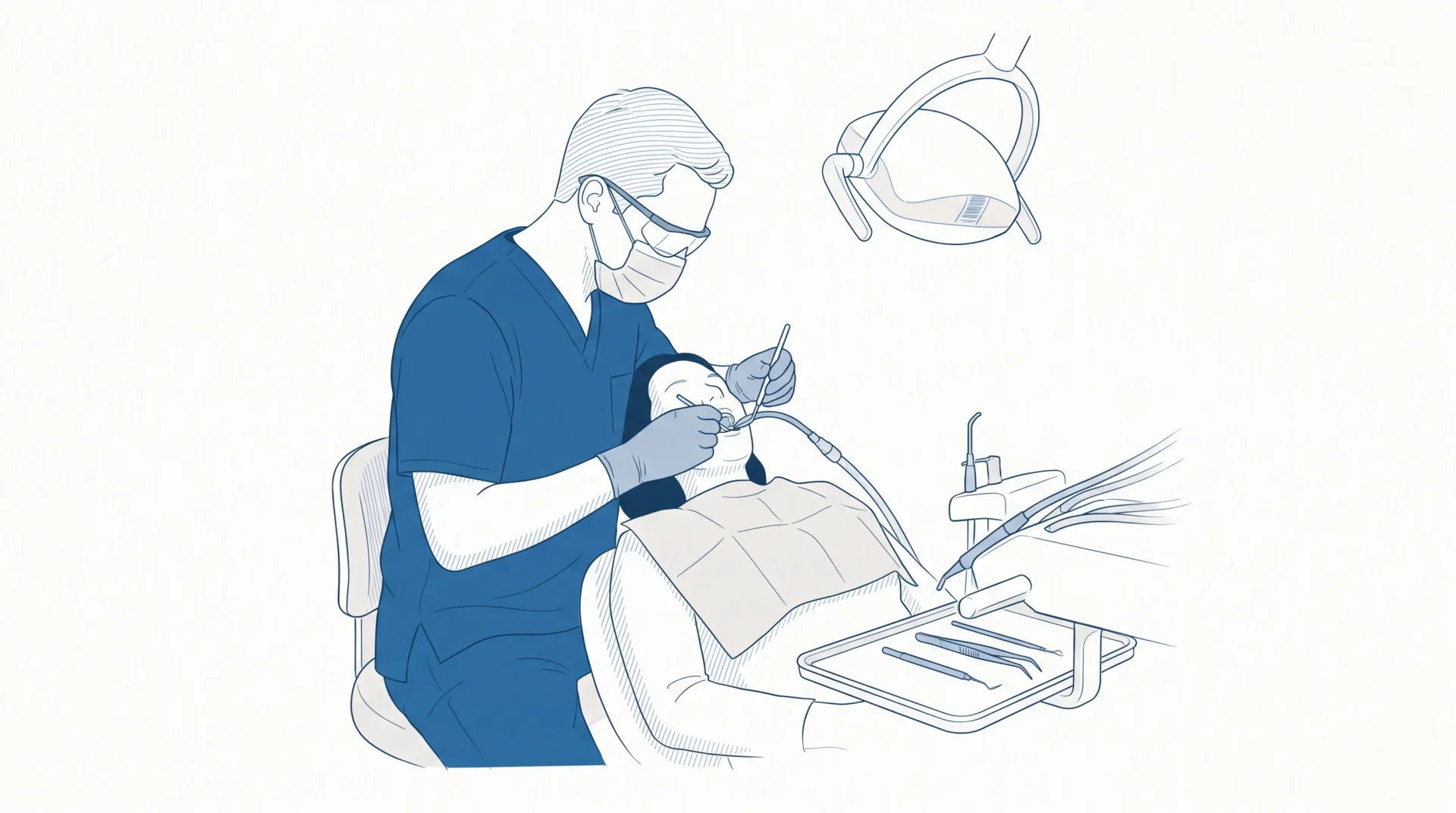
The cleaning part of a dentist check up and clean focuses on removing plaque and tartar from the teeth and along the gumline. Plaque is a sticky film of bacteria that forms each day. Tartar, also called calculus, is plaque that has hardened and cannot be removed properly with a toothbrush or floss at home.
Your dental professional may use an ultrasonic scaler, hand instruments or both. An ultrasonic scaler vibrates quickly and uses water to help loosen deposits. Hand instruments allow careful removal in smaller or more detailed areas. You may feel pressure, vibration, water spray and suction, but you should be able to signal if you need a pause.
After scaling, your teeth may be polished with a paste to smooth the surface and remove some surface stains. Polishing is not the same as whitening. It can make teeth feel cleaner, but it does not change the natural internal colour of teeth in the way professional whitening may.
Fluoride and oral hygiene advice
Fluoride may be recommended for some patients after the clean. Fluoride is a mineral that can help strengthen tooth enamel and support prevention of tooth decay when used appropriately. Your dentist will consider your decay risk, age, medical history and other factors before recommending it.
Oral hygiene advice is also part of many appointments. This is usually practical and specific to your mouth. For example, your dental professional may show you areas you are missing with your toothbrush or suggest a flossing technique, interdental brush size or electric toothbrush approach.
Advice should be realistic. A person with braces, implants, a fixed retainer, arthritis or a busy family routine may need different home care strategies. Your dentist or hygienist can help you choose an approach that suits your circumstances rather than simply handing you a generic list.
Will it be uncomfortable?
A dentist check up and clean is commonly well tolerated, but the experience varies. If you have inflamed gums, heavy tartar build-up, exposed root surfaces or tooth sensitivity, parts of the clean may feel tender or sensitive. Some people notice minor bleeding from the gums, particularly if the gums are inflamed.
Possible short-term effects can include:
- Mild gum tenderness
- Temporary tooth sensitivity to cold air or water
- Minor bleeding from inflamed gums
- A different feeling around the teeth after tartar is removed
Let your dental team know if you are anxious, have a strong gag reflex or have had a difficult dental experience in the past. They may be able to adjust the pace, explain each step before it happens or offer breaks during the appointment. If deeper cleaning is required for gum disease, this may involve a different appointment type and your dentist should explain the benefits, limitations and possible risks before proceeding.
What happens if the dentist finds a problem?
If your dentist notices decay, gum disease, cracks, failing dental work or another concern, they should explain what they have found in plain language. You may be shown photos, X-rays or a mirror view so you can better understand the issue.
A recommendation should include your options where appropriate, the likely purpose of treatment, possible benefits, limitations, risks and what may happen if you choose to monitor the area instead. Not every finding needs immediate treatment. Some early changes may be watched, managed with prevention or reviewed at a future appointment.
If several concerns are present, your dentist may create a staged plan. Dental Spa has a separate article on how a dentist creates a clear treatment plan, which may be useful if you want to understand how priorities and options are discussed.
How often should you book one?
How often you need a dentist check up and clean depends on your oral health, gum health, decay risk, medical history and home care. Many adults are advised to attend every six to 12 months, but some people may need more frequent reviews and others may be suitable for a different interval.
Factors that can affect timing include a history of gum disease, frequent decay, dry mouth, smoking, diabetes, orthodontic appliances, implants or difficulty cleaning certain areas. Your dentist can recommend a recall interval after assessing your individual risk.
If you want more detail, Dental Spa has an article on how often adults should have a dental check-up that explains why timing is not the same for everyone.
How much does it cost?
The cost of a dentist check up and clean can vary because appointments may include different items. For example, one person may only need an examination and routine clean, while another may need X-rays, fluoride or more detailed gum assessment.
Before proceeding, you can ask what is included, whether X-rays are recommended and whether a written estimate can be provided for any additional treatment. If you have private health insurance, your rebate may depend on your fund, level of cover and remaining limits.
Dental Spa has a detailed article on what a dentist check-up fee may include for patients who want to understand common appointment items before booking.
How to prepare for your appointment
You do not need to do anything complicated before a routine visit. Brush and floss as you normally would, bring your health fund card if you use one and arrive with a list of questions if there is anything you want to discuss.
It can help to mention symptoms clearly, even if they come and go. Sensitivity, bleeding gums, food trapping, jaw clicking, a rough filling edge or changes in your mouth can all be relevant. If you live or work around Geelong, Newtown, Geelong West, East Geelong, Belmont or Highton, choosing a time that fits your usual routine may also make it easier to keep regular preventive appointments.
For children, the appointment is usually adapted to their age, comfort level and ability to cooperate. Parents can ask what will happen before the visit and should mention any worries their child may have.
When to book sooner rather than waiting
A routine appointment is not designed to replace urgent assessment when symptoms suggest something more serious. Consider arranging a dental appointment sooner if you have toothache, facial swelling, a broken tooth, dental trauma, pus, uncontrolled bleeding, a loose adult tooth or pain that wakes you at night.
These symptoms do not confirm a specific diagnosis, but they may need prompt professional assessment. If you have swelling that affects breathing, swallowing or your eye area, seek urgent medical care.
Frequently Asked Questions
How long does a dentist check up and clean take? Appointment length varies depending on your oral health, whether X-rays are needed and how much cleaning is required. Many routine appointments are completed in a single visit, but your dental team can give you a more accurate estimate when you book.
Does a dentist check up and clean hurt? Some people feel little more than pressure, vibration and water spray. Others may have sensitivity or tenderness, especially if their gums are inflamed or tartar is heavy. Tell your dental professional if you need a break or feel uncomfortable.
Can a professional clean whiten my teeth? A clean may remove some external stains from coffee, tea, wine or tobacco, so teeth may look fresher. It does not change the natural internal shade of teeth in the same way as professional whitening treatment.
Will I need X-rays at every appointment? Not necessarily. X-rays are usually recommended when they are clinically useful, such as checking areas that cannot be seen directly or assessing symptoms, dental history or planned treatment.
Is a clean enough if I have gum disease? A routine clean may not be enough for all gum conditions. If there are signs of gum disease, your dentist may recommend a more detailed gum assessment, specific home care changes or further periodontal treatment depending on your needs.
Thinking about a dental check up in Geelong?
If you are due for a dentist check up and clean, an examination can help clarify the condition of your teeth and gums, what preventive care may be useful and whether any treatment options should be discussed. Treatment recommendations should be based on your oral health, medical history, goals and individual circumstances.
To discuss your concerns or arrange an appointment, you can contact Dental Spa in Geelong or book online through the Dental Spa website.
Disclaimer
The information provided on this website is for general informational and educational purposes only. It is not intended to replace professional dental advice, diagnosis or treatment. Dental needs and treatment outcomes vary between individuals. Always seek advice from a qualified dental practitioner regarding your specific circumstances before making decisions about your oral health or treatment. A consultation and clinical assessment are required to determine which treatment options may be suitable for you. All dental procedures carry potential risks and benefits, which will be discussed with you before treatment.