
Can Invisalign Close Gaps Between Teeth?
28 August 2026 | Cosmetic Dentistry, Invisalign, Orthodontics
Yes, Invisalign can close some gaps between teeth for some people, especially when the spaces are caused by tooth position rather than missing teeth, gum disease or jaw growth patterns. If you are researching Invisalign on gapped teeth, the key question is not just whether aligners can move teeth together, but whether closing the space is healthy for your bite, gums and long-term stability.
A gap between teeth is often called a diastema. Some people have one visible space between the upper front teeth, while others have smaller spaces across several teeth. Not every gap needs treatment. If it does bother you or affects how your teeth meet, a dental assessment can help clarify which options may be appropriate.
Can Invisalign on gapped teeth work?
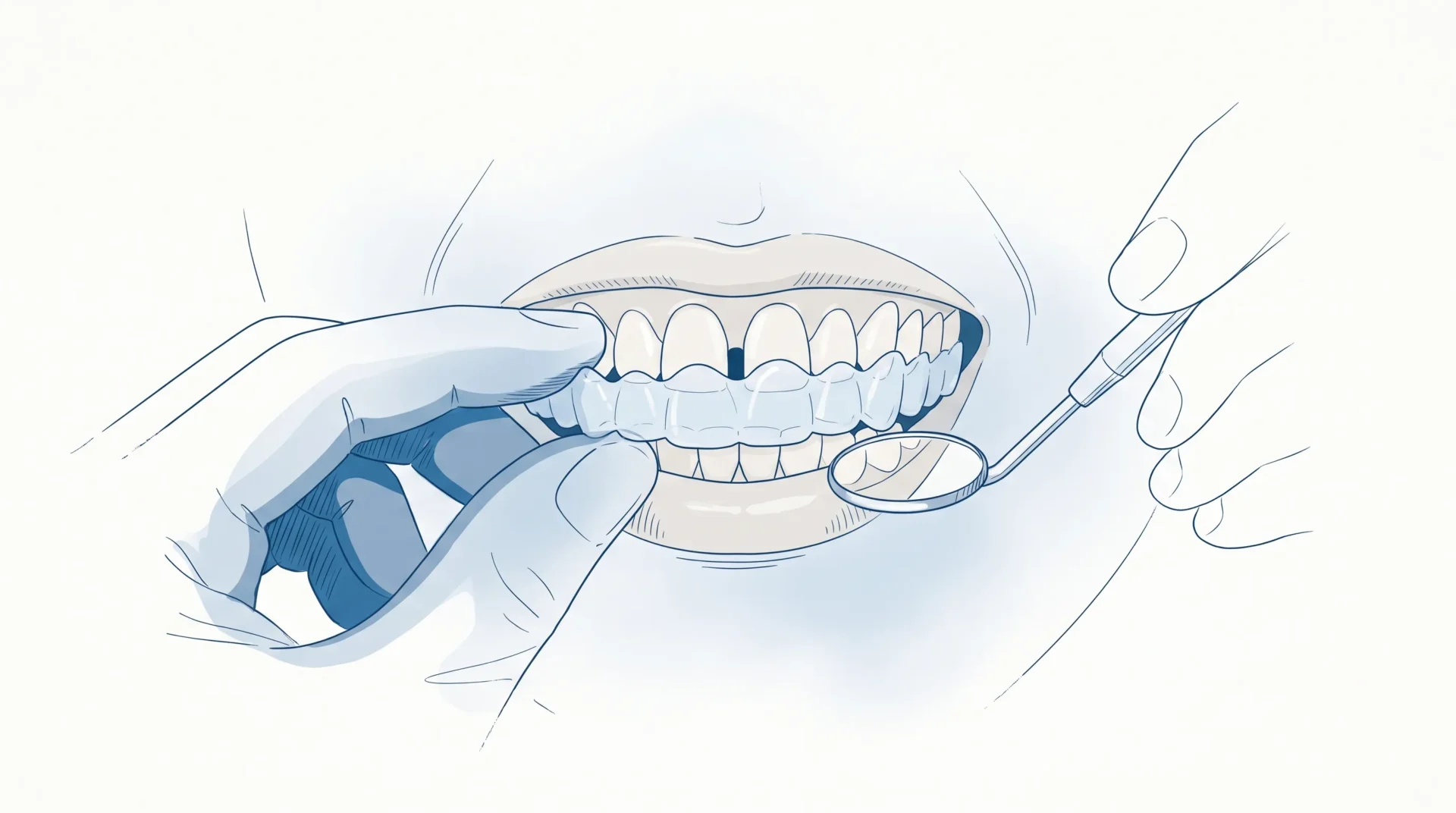
Invisalign is a clear aligner system designed to apply gentle, planned pressure to teeth over time. Each set of aligners is shaped slightly differently, guiding teeth towards a planned position when worn as prescribed.
For gaps, aligners may be used to move teeth closer together. This is usually most suitable when the teeth and gums are healthy, the spaces are mild to moderate and the bite can be improved or maintained as the teeth move.
Closing a gap is not just a cosmetic exercise. Your dentist will also consider how your front teeth meet, whether your back teeth support your bite, how your gums respond and whether there is enough space for your teeth to sit in a stable position afterwards.
For a broader introduction to how the system works, Dentalspa has a helpful overview of Invisalign clear aligners as an alternative to traditional braces.
What can cause gaps between teeth?
Gaps can develop for several reasons. Understanding the cause matters because it affects whether Invisalign may be suitable or whether another treatment should be considered first.
| Possible cause of gaps | What it may mean for treatment |
|---|---|
| Natural tooth size and jaw size differences | Aligners may be considered if the bite and gum health are suitable. |
| A prominent frenum, the small fold of tissue between the upper lip and gum | Space closure may relapse if the tissue continues to pull between the teeth. |
| Missing teeth | The gap may need replacement options such as an implant, bridge or denture rather than orthodontic closure. |
| Gum disease or bone loss | Gum health usually needs assessment and management before tooth movement is considered. |
| Tooth shape, such as small or peg-shaped side teeth | Aligners may close spaces, but bonding or other restorative options may also be discussed. |
| Habits or tongue pressure | Stability may depend on addressing the habit as well as moving the teeth. |
The Australian Dental Association’s patient website, Teeth.org.au, provides general information about oral health conditions such as gum disease, which can sometimes contribute to tooth movement or new spaces between teeth.
When Invisalign may be considered for gaps
Invisalign may be considered when a dentist finds that the space can be closed safely and the teeth can be guided into a healthy bite. This may include a single small gap between front teeth or several mild spaces across the smile line.
A dentist may also look at whether aligners can help with related concerns, such as slightly rotated teeth, uneven spacing or mild crowding elsewhere in the mouth. In many cases, spacing is part of a wider alignment picture rather than an isolated issue.
Clear aligners may appeal to adults and teenagers who prefer a removable option. They are taken out for eating, drinking anything other than water and cleaning the teeth. This can make oral hygiene more manageable for some patients compared with fixed braces, although aligners still require commitment and consistent wear.
Treatment suitability depends on individual factors, including:
- The size and location of the gaps
- The shape and size of the teeth
- Gum and bone health
- Bite position and jaw relationship
- Whether teeth are missing or heavily restored
- Your ability to wear aligners for the recommended daily time
- Retainer wear after treatment
Orthodontic treatment planning should be personalised. The Australian Society of Orthodontists, through Orthodontics Australia, also provides patient information about orthodontic options, clear aligners and retainers.
When Invisalign may not be the most suitable option
Invisalign is not appropriate for every gap. Sometimes the space is a sign of an underlying issue that should be addressed before thinking about tooth movement.
If a gap has appeared or widened over time, your dentist may check for gum disease, bite changes, clenching, grinding or tooth loss. Moving teeth without understanding the cause may not provide a stable or healthy outcome.
Invisalign may also have limitations when spaces are large, the bite is complex or the teeth need movements that are difficult to achieve with removable aligners alone. In these situations, fixed braces, restorative dentistry or referral for specialist orthodontic advice may be discussed.
If you are comparing clear aligners with fixed braces, Dentalspa’s article on straightening teeth with Invisalign or braces explains some of the practical differences.
Other treatment options for gaps between teeth
The right option depends on why the gap is present, how your teeth meet and what you want to address. In some cases, doing nothing is a reasonable choice if the gap is healthy and does not concern you.
Other options may include composite bonding, porcelain veneers, crowns, bridges, implants or dentures. These treatments do different things. Bonding and veneers change the visible shape or width of teeth, while implants, bridges and dentures replace missing teeth. Orthodontic treatment moves teeth into different positions.
Sometimes a combined approach is considered. For example, aligners may reduce spaces and improve tooth position before a dentist adds bonding to improve tooth proportions. This depends on your teeth, gums, bite and treatment goals.
All dental procedures have potential benefits and risks. Restorative treatments such as bonding or veneers may involve maintenance over time, and some options may require removal of tooth structure. Orthodontic treatment requires ongoing wear, good oral hygiene and retainers afterwards to reduce the chance of teeth moving back.
What affects how long gap closure may take?
There is no single timeframe for closing gaps with Invisalign because spacing varies between patients. A small front gap may be quite different from multiple spaces across both arches or spacing linked to bite issues.
Your dentist will consider:
- How much each tooth needs to move
- Whether both upper and lower teeth are involved
- Whether attachments are needed to help aligners grip teeth
- How consistently the aligners are worn
- Whether refinements, meaning extra aligners, are needed
- How your teeth and gums respond during treatment
Consistent wear is important with removable aligners. Dentalspa’s guide on how long Invisalign aligners should be worn each day explains why many patients are advised to wear aligners for most of the day, except when eating, drinking anything other than water and brushing or flossing.
What happens at an Invisalign consultation in Geelong?
If you are considering Invisalign for gaps between teeth, an appointment usually starts with a conversation about what you have noticed and what you would like to understand. You do not need to know which treatment you want before you attend.
Your dentist may examine your teeth, gums and bite. They may also recommend records such as photographs, X-rays, scans or impressions, depending on what is needed to assess your mouth properly. These records help determine whether the gap is mainly a tooth position issue or whether other factors are involved.
A suitable consultation may cover the likely treatment options, expected commitments, limitations, possible risks, fees and payment options. If aligners are not suitable, your dentist can explain why and discuss alternatives.
For people in Geelong, Newtown, Geelong West, East Geelong, Belmont, Highton and nearby areas, choosing a local clinic can also make regular reviews more convenient. Orthodontic treatment often requires check-ins, even when much of the progress happens at home between appointments.
Potential benefits, limitations and risks
For suitable patients, Invisalign may help close gaps while using a clear, removable appliance. Some people also appreciate being able to brush and floss without fixed brackets and wires in place.
There are limitations. Aligners only work when worn as instructed, and some tooth movements are more complex than others. Attachments, which are small tooth-coloured shapes placed on teeth, may be needed to help aligners apply pressure in the right direction. Some patients may also need extra aligners during treatment if teeth do not move as planned.
Possible risks and side effects can include temporary tooth tenderness, gum irritation, changes to speech while adjusting to aligners, tooth decay or gum inflammation if cleaning is poor, bite changes, root resorption, which means shortening of tooth roots, and relapse after treatment if retainers are not worn as advised. Not everyone experiences these issues, and your dentist can discuss risks relevant to your circumstances.
Why retainers matter after closing gaps
Teeth can shift after orthodontic treatment. This is especially relevant for gaps because spaces may reopen if retainers are not worn as recommended or if the original cause of the gap has not been managed.
A retainer is a device used after active orthodontic treatment to help hold teeth in their new position. It may be removable or fixed behind the teeth, depending on the case. Retainer advice should be personalised, as some patients need longer or more structured retention than others.
If a frenum, tongue habit, gum issue or tooth size problem contributed to the original gap, your dentist may discuss whether additional management is needed to reduce the chance of relapse. Retainers can help maintain tooth position, but they cannot control every contributing factor on their own.
Questions to ask before choosing treatment
Before starting treatment for gapped teeth, it can be useful to ask practical questions. Good treatment planning should help you understand not only what may be possible, but also what is involved.
Consider asking:
- What is likely causing my gaps?
- Are my gums healthy enough for orthodontic treatment?
- Would Invisalign, braces, bonding or another option be more suitable for my situation?
- Could my bite be affected by closing the spaces?
- Will I need attachments or refinements?
- What risks and maintenance should I understand?
- What type of retainer may be recommended afterwards?
- What costs and payment options apply to my treatment plan?
These questions can help you make an informed decision rather than choosing treatment based only on appearance or online examples.
Frequently Asked Questions
Can Invisalign close a gap between the two front teeth? Invisalign may be able to close a gap between the two front teeth if the space is caused by tooth position and the bite, gums and bone support are suitable. A dentist will also check whether a frenum, tooth size issue or habit could affect stability.
Is Invisalign better than braces for gapped teeth? Invisalign is not automatically better than braces. Clear aligners may suit some spacing cases, while fixed braces may be more appropriate for complex tooth movements or bite concerns. Your dentist can explain the advantages, limitations and alternatives after an assessment.
Can gaps come back after Invisalign? Gaps can reopen after any orthodontic treatment if retainers are not worn as advised or if the original cause of the spacing remains. Retention planning is an important part of treatment.
Can Invisalign fix gaps caused by missing teeth? Sometimes orthodontics can help manage spaces linked to missing teeth, but a missing tooth gap may require replacement options such as an implant, bridge or denture. The right approach depends on the location of the gap, your bite and your oral health.
Do I need to close gaps between my teeth? Not always. Some gaps are healthy and do not need treatment unless they affect function, cleaning, stability or your personal preferences. A dental examination can help determine whether treatment is advisable or optional.
Considering Invisalign for gaps in Geelong?
If you are unsure whether Invisalign may be suitable for your gapped teeth, a dental examination can help identify the cause of the spaces and the options that fit your oral health, bite and preferences.
To discuss Invisalign, braces or other ways to manage gaps between teeth, you can book an appointment with Dentalspa Geelong. Your dentist can assess your teeth and explain the potential benefits, risks, limitations and alternatives before you decide what feels right for you.
Disclaimer
The information provided on this website is for general informational and educational purposes only. It is not intended to replace professional dental advice, diagnosis or treatment. Dental needs and treatment outcomes vary between individuals. Always seek advice from a qualified dental practitioner regarding your specific circumstances before making decisions about your oral health or treatment. A consultation and clinical assessment are required to determine which treatment options may be suitable for you. All dental procedures carry potential risks and benefits, which will be discussed with you before treatment.