
How to Plan Dental Visits for a Busy Family
21 September 2026 | Dental Fees & Financing, General Dentistry, Preventative Dentistry
Good dental scheduling can make family dental care feel less rushed, especially when school, work, sport and family commitments are already competing for space in the calendar. For many busy households, the most practical approach is to plan routine visits ahead, group appointments where appropriate and leave enough room for follow-up care if your dentist recommends it.
If you live in Geelong or nearby areas such as Newtown, Geelong West, East Geelong, Belmont or Highton, a little forward planning can also reduce travel back and forth. The aim is not to overbook your family, but to make oral health easier to maintain alongside normal life.
Dental scheduling for busy Geelong families
Family dental planning works best when it is realistic. A beautifully organised calendar is not much use if appointments clash with school pick-up, shift work or the time of day when a young child is tired and less cooperative.
Start by thinking about the rhythm of your household. Some families prefer to book several check-ups on the same day. Others find that one child at a time is easier, particularly if a child is nervous or needs extra attention during the visit. There is no single right way to arrange it.
A workable dental scheduling plan usually includes three things: routine check-ups, space for recommended treatment if needed and a simple way to act quickly if a dental problem comes up unexpectedly. If home routines are the harder part, Dentalspa Geelong has also shared practical ideas for oral health for busy lives.
Start with the appointments your family actually needs
Before filling the calendar, it helps to understand what different family members may need. A dental check-up is not only about looking for tooth decay. Your dentist may also assess the gums, jaw, bite, existing fillings, tooth wear and signs of other oral health concerns.
How often someone should attend depends on their individual risk factors. Some people may be advised to attend more often than others due to gum health, medical conditions, orthodontic appliances, past dental issues or difficulty cleaning certain areas. Your dentist can recommend a suitable review interval after an examination.
For children, the appointment may include a check of tooth development, brushing habits, diet, fluoride exposure and whether a clean is appropriate. If you want more detail about what may happen at a child appointment, this guide to children’s dental cleans explains the process in plain language.
For many households, dental scheduling works better when each family member has a simple note beside their name, such as check-up due, orthodontic review, whitening discussion or treatment follow-up. This avoids relying on memory months later.
Build one shared family dental calendar
A shared calendar can be as simple as a phone calendar, paper planner or family noticeboard. The format matters less than making it visible to the people who manage appointments.
Try adding dental visits at the same time you add school terms, work rosters, sport fixtures and public holidays. This makes clashes easier to spot. It also gives you time to reschedule with notice if something changes, rather than leaving it until the week of the appointment.
A simple planning table
| Family situation | Scheduling idea | Why it may help |
|---|---|---|
| Young children | Choose a time when they are usually rested | Children may cope better when they are not hungry or overtired |
| School-age children | Consider school holidays or quieter school weeks | This can reduce disruption to learning and after-school activities |
| Teenagers | Avoid exam blocks and major assessment weeks where possible | It may be easier for them to attend and focus during the visit |
| Parents and carers | Book routine care near a child’s appointment if practical | It can reduce separate trips and make follow-up easier |
| Family members having treatment | Leave room for review or follow-up appointments | Some care may require more than one visit depending on the case |
This is where dental scheduling becomes less about finding a spare hour and more about reducing avoidable stress. A small amount of planning can make appointments feel like part of the family routine rather than another last-minute task.
Choose appointment times based on age, comfort and attention span
The best appointment time for one family member may not suit another. A toddler who is bright in the morning may find late afternoon harder. A teenager may prefer not to miss sport training. A parent may need an early or later appointment around work commitments.
For children who are new to dental visits, it can help to choose a calm time of day and avoid stacking the appointment between other demanding activities. Explain the visit in simple terms, without promising exactly what will happen. The dentist will guide the appointment based on your child’s age, comfort and oral health needs.
If someone in the family feels anxious about dental care, mention this when booking. The team can note it and allow for a more supportive conversation at the visit. Dental procedures and experiences vary between patients, so a clinical assessment and discussion are always important before deciding what care may be appropriate.
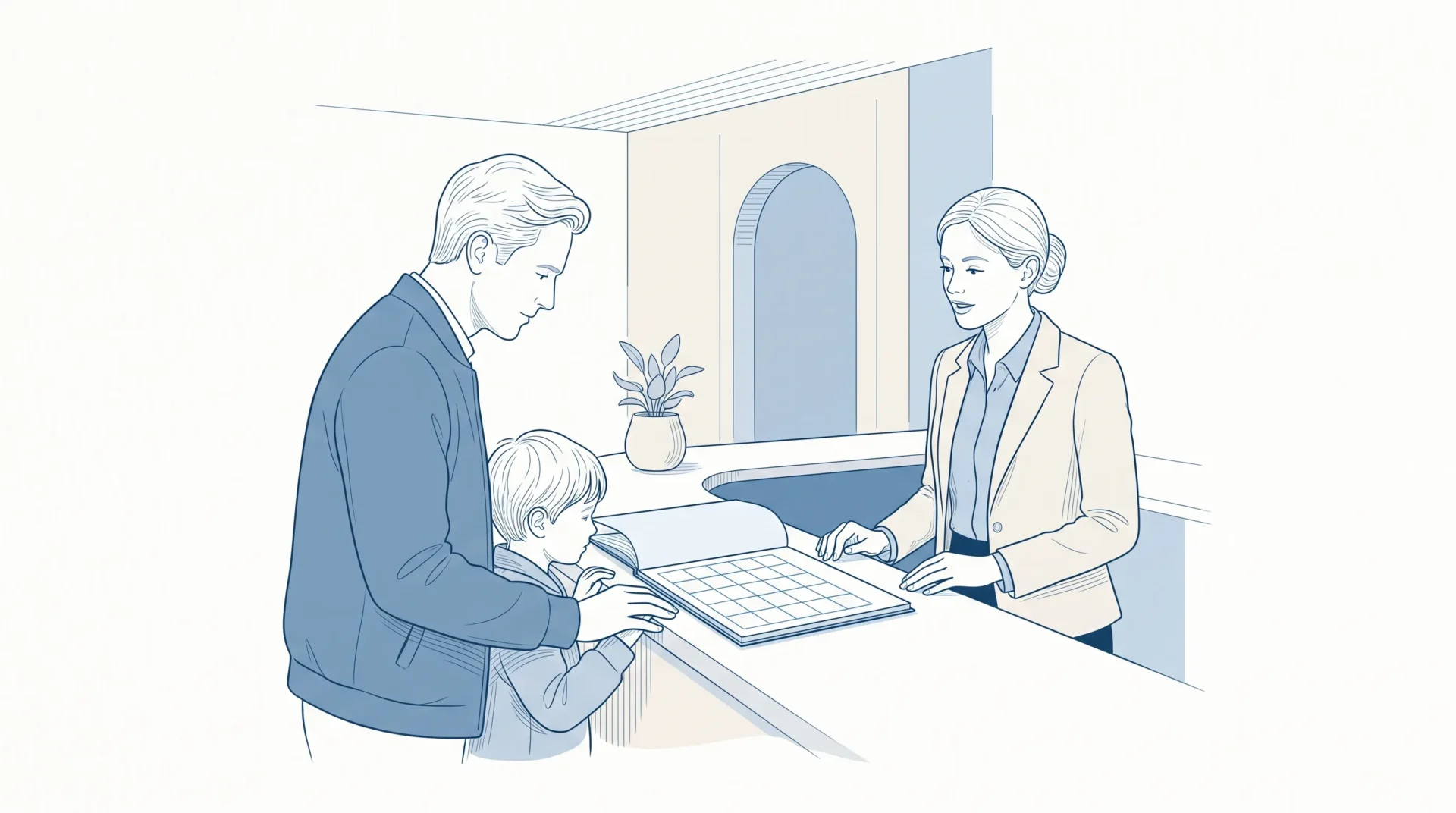
Use school terms and local routines without overloading them
In busy households, dental scheduling also needs to work around the parts of life that cannot easily move. In Geelong, that may mean school drop-off, commuting, weekend sport, shift work, university timetables or caring responsibilities.
School holidays can be useful for children’s check-ups, but they can also fill quickly with travel, childcare and family events. If you prefer holiday appointments, consider booking ahead rather than waiting until the break begins. If holidays are too crowded, a quieter school week may be a better fit.
For back-to-school periods, try to avoid adding too many appointments into the first week if your child is already adjusting to new routines. A dental visit shortly before or after that busy period may be easier, depending on your child and your family calendar.
It can also help to keep a note of important school dates, such as camps, swimming weeks and assessment periods. Dental care is easier to plan when these are visible before appointments are booked.
Leave room for treatment planning and follow-up visits
Not every dental appointment ends with all care completed on the day. Sometimes a check-up identifies an issue that needs monitoring, further records, a filling, a crown discussion, orthodontic assessment or another type of treatment planning.
Dental scheduling should also leave space for decisions. If treatment is recommended, your dentist should explain the reason, possible benefits, limitations, risks, alternatives and likely number of visits before you decide what to do. You should have the opportunity to ask questions and understand the plan.
This is particularly useful for families because treatment timing may need to fit around school, work, sport, holidays and budgets. A clear plan can help you decide what is time-sensitive and what may be monitored or staged, depending on your oral health and the dentist’s advice.
Dentalspa Geelong has a separate article on how a dentist creates a clear treatment plan if you would like to understand what may be considered before treatment is recommended.
Know when to book sooner than planned
Routine planning is helpful, but some dental concerns should not wait for the next scheduled visit. Contact a dental clinic for advice if someone in your family has significant tooth pain, swelling, a knocked-out or broken tooth, dental trauma, bleeding that does not settle or signs of infection.
Even the best dental scheduling plan needs flexibility. A child who falls at sport, an adult with sudden toothache or a broken filling may need assessment sooner than expected. The right timing depends on the symptoms, medical history and the nature of the problem.
If there is facial swelling, difficulty breathing, difficulty swallowing, severe trauma or a medical emergency, seek urgent medical care. Dental advice in an article cannot diagnose the cause of symptoms or replace an examination.
It is also sensible to keep your dental clinic’s contact details in your phone and on the family calendar. That way, if something happens during a busy week, you do not have to search for details while managing the situation.
Practical booking and cost conversations
Online dental scheduling can be useful for busy parents and carers because it allows you to look for appointment times outside usual phone hours. When booking, include relevant notes such as nervous patient, child’s first visit, broken tooth or interested in discussing payment options. Keep the note brief and factual.
If more than one family member needs an appointment, it may be worth calling the clinic rather than booking each person separately online. The reception team may be able to advise whether appointments can be grouped or whether separate visits would be more appropriate.
Cost is also a practical part of planning. Dentalspa Geelong offers payment options, and families can ask about these before starting treatment. If your child may be eligible for support through the Child Dental Benefits Schedule, you can check general eligibility information through Services Australia or ask the clinic what information is needed.
Private health cover, payment plans and government benefits vary, so it is better to ask specific questions before the appointment or before treatment begins. That can make decision-making clearer and reduce surprises.
A simple family dental planning checklist
Use this as a starting point and adjust it to suit your household:
- Add each family member’s last dental visit and suggested next review date to one shared calendar.
- Book routine appointments before school holidays, exam periods and work deadlines fill the calendar.
- Choose appointment times that suit the person attending, especially for young children or anxious patients.
- Keep space in the calendar for follow-up visits if treatment is recommended.
- Save the clinic’s phone number so you can seek advice promptly if a dental concern arises.
Good planning should make care easier, not make your calendar feel heavier. If the system is too complicated, simplify it until it works for your family.
Frequently Asked Questions
How far ahead should I book family dental appointments? This depends on your family’s availability and the type of appointment needed. Routine check-ups are often easier to arrange when booked ahead, especially around school holidays, but urgent concerns should be discussed with a dental clinic sooner.
Can dental scheduling help if my child is nervous? It may help to choose a calmer time of day, avoid rushing before the appointment and tell the clinic about your child’s concerns when booking. The dental team can then take this into account during the visit, although each child’s experience will vary.
Should the whole family attend on the same day? This can work well for some families, but it is not ideal for everyone. Younger children, anxious patients or family members who need longer appointments may do better with separate visits.
What if treatment is recommended after a check-up? Your dentist should explain why treatment may be recommended, what alternatives may be available, the likely steps involved and any relevant risks or limitations. You can then decide what is suitable for your circumstances.
Planning dental visits does not need to be complicated. A shared calendar, realistic appointment times and early conversations about treatment or costs can make oral health easier to manage for the whole family.
To discuss your family’s needs, you can contact Dentalspa Geelong to arrange an assessment. Your dentist can review your oral health, explain suitable options and help you plan care around your circumstances.
Disclaimer
The information provided on this website is for general informational and educational purposes only. It is not intended to replace professional dental advice, diagnosis or treatment. Dental needs and treatment outcomes vary between individuals. Always seek advice from a qualified dental practitioner regarding your specific circumstances before making decisions about your oral health or treatment. A consultation and clinical assessment are required to determine which treatment options may be suitable for you. All dental procedures carry potential risks and benefits, which will be discussed with you before treatment.