
How Dental Care Changes With Age and Oral Health Needs
29 September 2026 | Children's Dentistry, General Dentistry, Preventative Dentistry
Dental care is not a single routine that stays the same from childhood to older adulthood. Your teeth, gums, saliva, medical history, diet, lifestyle and existing dental work can all change over time, which means the right approach may also need to change. The aim is not to do more treatment than needed, but to understand what your mouth may need at each stage of life and when a dental assessment could be helpful.
Why oral health needs change over time
Your mouth is part of your overall health. As you age, the balance between prevention, maintenance and treatment can shift. A young child may need help learning to brush and becoming familiar with dental visits. A busy adult may be managing gum health, stress-related grinding or older fillings. An older adult may need support with dry mouth, exposed root surfaces, dentures, implants or medical conditions that affect oral health.
Some changes happen gradually. Tooth enamel can wear, gums may recede, saliva flow can reduce and dental restorations such as fillings or crowns may need monitoring. Medication, pregnancy, diabetes, smoking, vaping and diet can also affect the mouth. Healthdirect’s dental care information is a useful Australian resource for understanding common oral health topics in plain language.
Regular dental visits allow your dentist to look for early signs of decay, gum disease, tooth wear, cracks, infection and oral soft tissue changes. The right interval between visits varies between people, so your dentist may suggest a schedule based on your oral health, risk factors and treatment history.
Early childhood: helping teeth develop well
Baby teeth matter. They help children chew, speak and hold space for adult teeth. Even though baby teeth eventually fall out, decay or infection in these teeth can cause discomfort and may affect eating or sleep.
Early dental care is mostly about prevention, checking that teeth are developing as expected and helping children feel familiar with routine visits. Parents and carers usually need to brush for young children until they have the coordination to do it properly themselves. Your dentist can also explain age-appropriate fluoride toothpaste use, brushing technique and how to reduce frequent snacking on sugary foods and drinks.
A first visit does not need to be complicated. It may involve a gentle look in the mouth, a discussion about feeding, thumb sucking, dummy use, brushing and what to watch as teeth come through. If your child is due for a clean, Dental Spa has a helpful guide on what parents should know about children’s dental cleans.
Some eligible children may be able to access support through the Child Dental Benefits Schedule, which is managed by Services Australia. Eligibility and coverage can change, so it is best to check the official information or ask the clinic before booking.
School-age children and teens: independence, sport and growth
As children become more independent, dental care often shifts from parent-led brushing to building reliable habits. This is also the age when children may start playing more sport, choosing more of their own snacks and drinks, wearing orthodontic appliances or becoming more self-conscious about dental visits.
For school-age children, your dentist may monitor how adult teeth are erupting, whether teeth are crowded, how the bite is developing and whether fissure sealants may be worth discussing. Fissure sealants are thin protective coatings sometimes placed on the grooves of back teeth to help reduce food and plaque trapping. They are not needed for every child, so suitability depends on tooth shape, decay risk and oral hygiene.
Teenagers may need extra support if they wear braces or clear aligners, as plaque can build around appliances. Sports mouthguards may also be recommended for contact sports. A custom mouthguard made through a dental clinic is designed to fit the person’s mouth, although the most suitable option depends on age, sport type and dental development.
Adults: prevention while life is busy
For many adults, dental care becomes a balance between maintaining daily habits and managing changes that build up over time. Work, parenting, study, shift work, stress and medical appointments can all make oral health easier to postpone. Small issues, such as bleeding gums or a chipped filling, may also be ignored until they become harder to manage.
Common adult concerns include tooth decay, gum inflammation, tooth wear from grinding, acid erosion, sensitivity, bad breath, wisdom tooth symptoms and changes around existing fillings or crowns. Bleeding gums are common, but they should not be treated as normal. They can be an early sign of gingivitis, which is gum inflammation that may progress if plaque and tartar are not addressed.
If you would like more background on warning signs, Dental Spa’s article on gum disease explains how gingivitis can develop and why early assessment may help. Pregnancy, menopause and some medical conditions can also affect gums and saliva, so it is worth mentioning any health changes or medications at your appointment.
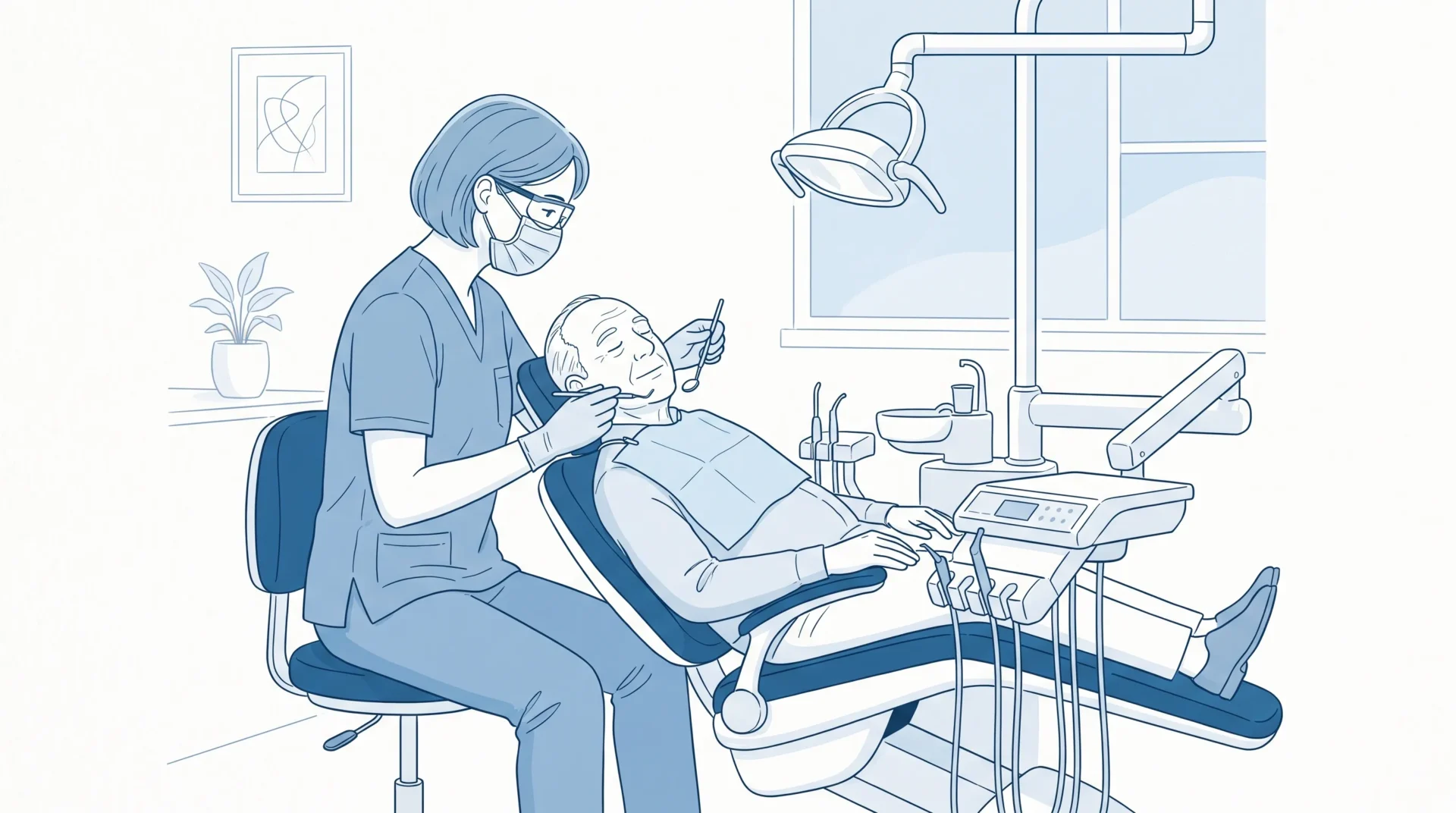
How dental care changes for older adults
Older adulthood can bring new oral health needs, even for people who have looked after their teeth well. Gums can recede, exposing root surfaces that are more vulnerable to decay. Saliva flow may reduce, especially with certain medications, and dry mouth can make chewing, speaking and wearing dentures less comfortable. The Better Health Channel provides useful Victorian health information on dry mouth.
Existing dental work may also need closer monitoring. Fillings, crowns, bridges, implants and dentures are not set-and-forget items. They may wear, loosen or become harder to clean around as oral health changes. This does not mean they have failed, but it does mean regular review is helpful.
Some older adults also experience reduced dexterity, memory changes or difficulty standing at the sink for long periods. In these situations, your dentist may suggest practical adjustments, such as electric toothbrushes, interdental brushes, high-fluoride products where appropriate or modified techniques. Any product recommendation should be based on your mouth, medical history and risk level.
How appointments may change with your needs
Good dental care is tailored to the person, not just their age. Two people in the same age group may need very different appointment types depending on their oral health, medical conditions, previous treatment and goals.
Routine examinations and cleans
A routine dental examination usually includes checking the teeth, gums, bite, jaw joints, soft tissues and existing dental work. X-rays may be recommended if your dentist needs to see areas that cannot be viewed directly, such as between teeth or under old restorations. A professional clean may remove plaque and tartar that brushing cannot shift at home.
Gum care and maintenance
If gum inflammation or gum disease is present, your dentist may recommend more detailed cleaning, closer review or referral depending on severity. Gum treatment aims to reduce inflammation and support oral health, but results vary between patients and ongoing home care plays an important role.
Emergency dental concerns
Dental emergencies can include swelling, facial trauma, severe toothache, a knocked-out adult tooth, a broken tooth, uncontrolled bleeding or signs of infection. These symptoms should be assessed promptly. Not every urgent problem has the same treatment option, so a dentist will need to examine the area before explaining what may be appropriate.
Cosmetic and restorative discussions
Adults of any age may ask about teeth whitening, crowns, veneers, implants, clear aligners or braces. These treatments are not suitable for everyone and should only be considered after an oral health assessment. All dental procedures carry potential benefits, limitations and risks, and outcomes can vary between patients.
A simple age-aware home routine
A practical dental care plan should feel realistic for your stage of life. The basics are usually more important than complicated routines, especially when they are done consistently. For most people, this means brushing twice daily with fluoride toothpaste, cleaning between the teeth, limiting frequent sugary snacks and drinks, drinking water and keeping up with dental reviews.
For families, routines may need to be adapted for different ages. A toddler needs help and encouragement. A teenager with braces may need extra cleaning tools. A pregnant patient may need advice about bleeding gums or morning sickness. An older adult with dry mouth or arthritis may need a different toothbrush or prescription-strength products if clinically appropriate.
Dental Spa has a practical guide to simple dental care habits for the whole family if you want a straightforward refresher on daily prevention.
| Life stage | Common oral health focus | When to ask a dentist |
|---|---|---|
| Babies and toddlers | Tooth eruption, brushing help, diet habits | First teeth, feeding concerns, visible spots or trauma |
| Children | Decay prevention, cleans, bite development | Toothache, crowding, difficulty brushing or sports needs |
| Teens | Orthodontics, mouthguards, plaque control | Braces concerns, wisdom tooth symptoms or bleeding gums |
| Adults | Gum health, wear, restorations, prevention | Sensitivity, broken fillings, toothache or cosmetic questions |
| Older adults | Dry mouth, dentures, implants, exposed roots | Loose dental work, mouth sores, chewing difficulty or medication changes |
When to arrange a dental assessment in Geelong
If you are unsure how dental care should change for your age, health or symptoms, a dental examination can help identify what is happening and what options may be appropriate. This is especially useful if you have not had a check-up for some time, have noticed changes or are managing a medical condition that may affect your mouth.
Consider arranging an appointment if you notice:
- Toothache, swelling or pressure around a tooth or gum
- Bleeding gums that keep returning
- A cracked, loose or broken tooth
- Sensitivity that does not settle
- Persistent dry mouth
- A mouth ulcer or sore area that does not heal
- Loose dentures, crowns, bridges or implant components
- Jaw pain, headaches or signs of teeth grinding
For people in Geelong and nearby suburbs such as Newtown, Geelong West, East Geelong, Belmont and Highton, seeing a local dental team can make regular care easier to keep up with. Dental Spa can assess your oral health, discuss your concerns and explain the potential benefits, limitations, risks and alternatives of any suitable options.
Frequently asked questions
Does everyone need the same dental check-up schedule? No. The right timing depends on your oral health, decay risk, gum health, medical history, age, home care and existing dental work. Your dentist can suggest a review interval after examining your mouth.
Is dental treatment different for older adults? It can be. Older adults may be more likely to need support with dry mouth, gum recession, dentures, implants, medication-related changes or reduced dexterity. Treatment planning should consider general health, comfort and individual goals.
Do children need dental visits if they do not have pain? Yes, routine visits can help detect early issues and support prevention before symptoms develop. Baby teeth can still develop decay or infection, so it is useful for children to become familiar with dental checks from an early age.
Can cosmetic dentistry be discussed at any age? Cosmetic concerns can be discussed with a dentist, but oral health comes first. Your dentist will need to check teeth, gums, bite and existing dental work before explaining whether whitening, aligners, crowns, veneers or other options may be suitable.
What should I bring to a dental appointment if my health has changed? Bring a list of current medications, any relevant medical history and details of recent symptoms. This helps your dentist consider factors such as dry mouth, bleeding risk, infection risk and healing when discussing care.
Discuss your oral health needs locally
Your mouth changes throughout life, and your dental visits can adapt with it. If you have questions about your child’s teeth, your own gum health, cosmetic options, existing dental work or changes that come with ageing, a dental assessment is the right place to start.
To discuss your concerns, you can book an appointment with the team at Dental Spa in Geelong. Your dentist can assess your oral health and explain which options may be appropriate for your circumstances.
Disclaimer
The information provided on this website is for general informational and educational purposes only. It is not intended to replace professional dental advice, diagnosis or treatment. Dental needs and treatment outcomes vary between individuals. Always seek advice from a qualified dental practitioner regarding your specific circumstances before making decisions about your oral health or treatment. A consultation and clinical assessment are required to determine which treatment options may be suitable for you. All dental procedures carry potential risks and benefits, which will be discussed with you before treatment.