
General Dentistry Treatments Explained
22 September 2026 | General Dentistry, Preventative Dentistry, Teeth Cleaning
General dentistry treatments are the everyday dental services used to assess, maintain and restore oral health. They can include dental check-ups, professional cleaning, fillings, gum care, root canal treatment, crowns, extractions and practical advice for looking after your teeth at home. If you are deciding whether to book a dentist in Geelong, this guide explains what these treatments can involve, why they may be recommended and what your appointment may include.
This article is general information only and is not a diagnosis or personalised treatment plan. Your dentist can assess your teeth, gums, medical history and goals before discussing options that may be suitable for your circumstances.
What are general dentistry treatments?
In simple terms, general dentistry is the broad area of dentistry focused on oral health care for children, teens and adults. It covers prevention, early diagnosis and treatment of common concerns such as tooth decay, gum inflammation, cracked teeth, tooth wear, dental pain and missing or heavily damaged teeth.
For many adults, general dentistry treatments are the first point of care when something feels different, such as sensitivity, bleeding gums or discomfort when chewing. They are also used when you feel well but want a routine examination to check for early changes that may not be obvious at home.
The Australian Dental Association’s patient resource, Teeth.org.au, has helpful oral health information for patients who want to understand common dental conditions and preventive care in plain language.
Common dental treatments and when they may be discussed
Not every person needs the same care. A dentist may recommend a treatment after examining your mouth, reviewing any symptoms and considering factors such as your oral hygiene routine, diet, medical history and previous dental work.
Some general dentistry treatments are preventive, meaning they aim to reduce the risk of future problems. Others are restorative, meaning they repair or replace part of a tooth or help manage infection, damage or pain.
| Treatment area | What it may involve | Why it may be discussed |
|---|---|---|
| Check-up and clean | Examination of teeth, gums and soft tissues, followed by professional cleaning when appropriate | To assess oral health and remove hardened plaque that brushing cannot remove |
| Dental X-rays | Small diagnostic images taken only when clinically indicated | To help detect decay, bone changes, infections or tooth position issues not visible during an examination |
| Fillings | Removing decayed or damaged tooth structure and restoring the tooth with a suitable material | To restore shape and function after decay, wear or small fractures |
| Gum care | Measuring gum pockets, removing plaque or calculus and providing home-care advice | To help manage gum inflammation or periodontal concerns |
| Root canal treatment | Cleaning and sealing the inner canal system of a tooth | To manage infection or inflammation inside a tooth when keeping the tooth may be possible |
| Crowns | A custom covering placed over a weakened or heavily restored tooth | To support teeth with larger cracks, wear or previous restorations |
| Tooth extraction | Careful removal of a tooth when it cannot be predictably restored or is causing specific problems | To manage teeth affected by severe damage, infection, crowding or other assessed concerns |
Dental check-ups and professional cleaning
A dental check-up usually involves looking at the teeth, gums, bite, jaw joints and soft tissues of the mouth. Your dentist may ask about sensitivity, discomfort, bleeding gums, snoring, clenching or changes you have noticed.
Professional cleaning, sometimes called a scale and clean, removes plaque and calculus, which is hardened plaque. It may also include polishing and preventive advice tailored to your brushing, flossing or interdental cleaning habits.
If you would like more detail about what happens during a routine visit, Dentalspa Geelong has a guide to what happens at a dentist check-up and clean.
Fillings, decay management and tooth sensitivity
Tooth decay occurs when acids produced by bacteria damage the hard outer layers of a tooth. Early decay may not cause pain, which is one reason routine examinations can be useful. When decay progresses, a person may notice sensitivity to cold, sweets or biting pressure.
A filling may be recommended when a tooth has a cavity, chipped edge or smaller area of structural damage. Your dentist will remove the affected tooth structure, clean the area and place a material selected for the location and purpose of the restoration.
Healthdirect provides a patient-friendly overview of tooth decay, including common causes and when to seek dental advice.
Gum care and periodontal treatment
Gums that bleed during brushing are common, but bleeding is not something to ignore. It can be linked with gum inflammation, brushing technique, plaque build-up or periodontal disease, which affects the supporting tissues around teeth.
Gum care may involve professional cleaning above and below the gumline, measuring gum pockets and discussing practical home-care changes. Depending on the severity of gum disease, more than one visit may be needed and some cases may require referral or ongoing maintenance.
The aim of general dentistry treatments in this area is usually to help control inflammation, support gum health and reduce the risk of further deterioration, rather than to provide a quick or identical result for every person.
Root canal treatment, crowns and extractions
If the nerve inside a tooth becomes inflamed or infected, a dentist may discuss root canal treatment. This involves cleaning the inside of the tooth, shaping the canals and sealing them. It may be considered when keeping the natural tooth is possible, although suitability depends on the tooth’s structure, infection, gum support and other factors.
Crowns may be discussed when a tooth is cracked, heavily filled or weakened after root canal treatment. A crown does not make a tooth indestructible, but it may help protect remaining tooth structure when suitable.
In some situations, removing a tooth may be the more appropriate option. If you are comparing root canal therapy, crowns or implants, this Dentalspa article on root canals, crowns and dental implants explains how these options can differ.
What happens at a general dental appointment?
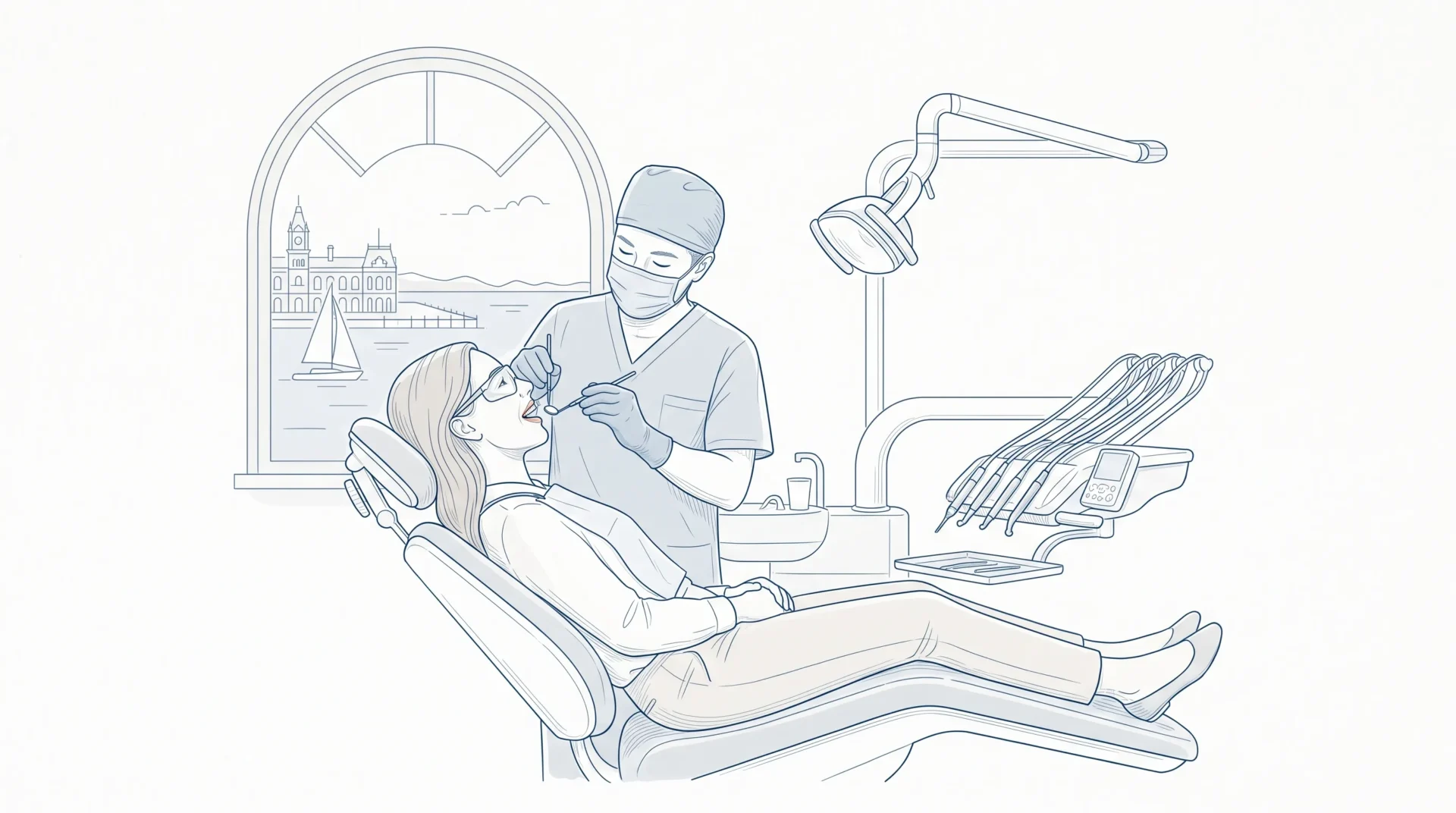
A general dental appointment is not just about looking for cavities. It is a chance to understand what is happening in your mouth and to discuss options in a clear, calm way.
Your visit may include:
- A conversation about your main concern, symptoms and medical history
- An examination of your teeth, gums, soft tissues and bite
- Dental X-rays or photographs if they are clinically useful
- Discussion of findings in everyday language
- Treatment options, including benefits, limitations and alternatives
- An estimate or staged plan where treatment is recommended
Before recommending general dentistry treatments, your dentist should explain why a treatment is being considered and whether there are reasonable alternatives, including monitoring in some situations.
Treatment planning and informed choices
A clear treatment plan helps you understand what has been found, what may happen if a concern is left untreated and what options may be available. In some cases, a small issue can be monitored. In others, earlier care may reduce the chance of more complex treatment later.
Good treatment planning should include enough information for you to make an informed choice. This may include the likely purpose of treatment, the number of visits, possible discomfort or recovery, expected maintenance, costs and what could happen if you choose not to proceed at that time.
For a deeper look at this process, you can read Dentalspa Geelong’s article on how a dentist creates a clear treatment plan.
Benefits, limitations and possible risks
General dental care can be helpful for maintaining oral health, managing symptoms and restoring damaged teeth, but no treatment is suitable for everyone. All dental procedures have potential benefits and risks, and treatment experiences vary between patients.
Possible benefits may include identifying concerns early, improving comfort when chewing, repairing damaged tooth structure or helping manage gum inflammation. These benefits depend on the diagnosis, the treatment chosen and how your mouth responds.
Possible limitations and risks can include temporary sensitivity after cleaning or fillings, discomfort after treatment, a restoration needing repair or replacement over time, infection, delayed healing or a tooth not responding as expected. More involved procedures, such as extractions, crowns and root canal therapy, have their own specific risks that your dentist should discuss before treatment.
If you have complex medical needs, take blood-thinning medication, are pregnant or have had previous difficulty with dental treatment, tell your dentist before care begins. This helps them consider your circumstances and, when needed, liaise with other health professionals.
Children’s dentistry and family dental care
Children may need dental care for check-ups, cleaning, fissure sealants, sports mouthguards, decay management or advice about brushing, diet and thumb sucking. A child’s visit is often focused on prevention, early detection and helping families build healthy routines.
Some families may be eligible for the Child Dental Benefits Schedule, a Medicare program that can help cover basic dental services for eligible children. Services Australia explains eligibility and covered services on its Child Dental Benefits Schedule page.
If you are unsure whether your child needs a dental visit, a dentist can assess their teeth and discuss what is appropriate for their age, oral health and development.
Costs, payment options and treatment stages
The cost of general dentistry treatments can vary because the right approach depends on the condition of the teeth and gums, the materials used, the complexity of the procedure and whether X-rays or additional visits are needed.
For routine care, you may only need an examination and clean. For more complex concerns, your dentist may suggest staging treatment so the most important issues are addressed first. Staged care can also make it easier to understand timing, costs and priorities.
Dentalspa Geelong offers payment options for eligible treatments, and this article on how dental payment plans work explains the general process. Ask your dentist for an estimate before treatment so you can consider your options without pressure.
When should you see a dentist promptly?
Some dental concerns are best assessed sooner rather than waiting for a routine appointment. Prompt advice may be appropriate if you have facial swelling, a knocked-out adult tooth, dental trauma, severe or persistent toothache, signs of infection, uncontrolled bleeding or pain that affects eating or sleeping.
If you have swelling that affects breathing or swallowing, call 000 or attend emergency medical care. For dental injuries, toothaches or broken restorations, Dentalspa Geelong has practical information on what to do in a dental emergency.
For less urgent concerns, such as mild sensitivity or a chipped tooth without pain, a dental examination can still help identify the cause and whether treatment is needed.
Frequently Asked Questions
How often should I have a dental check-up? The right interval varies. Some people benefit from regular six-monthly visits, while others may be advised to attend more or less often depending on decay risk, gum health, medical conditions and previous dental history.
Are general dentistry treatments only for people with tooth pain? No. Many visits are preventive. A dentist can check for early signs of tooth decay, gum inflammation, tooth wear or bite changes before symptoms become obvious.
Will I need X-rays at every appointment? Not necessarily. Dental X-rays are usually recommended when they are clinically useful, such as checking between teeth, assessing infection or planning treatment. Your dentist should explain why an X-ray is being suggested.
Can general dentistry include cosmetic concerns? Some treatments overlap. For example, repairing a chipped tooth may improve function and appearance. If your main goal is cosmetic, your dentist can discuss suitable options, limitations and whether your oral health needs attention first.
What if I feel nervous about dental treatment? Tell the dental team when you book or at the start of your appointment. They can explain what is happening, check your comfort and discuss options for making care feel more manageable, depending on the treatment and your needs.
Discussing your options in Geelong
If you are considering general dentistry treatments in Geelong, an examination can help determine the cause of your concern and which options may be appropriate. The team at Dentalspa Geelong can assess your oral health, explain potential benefits, risks and alternatives, and discuss a treatment plan suited to your circumstances.
You can contact Dentalspa Geelong or book online to arrange an appointment at a time that suits you.
Disclaimer
The information provided on this website is for general informational and educational purposes only. It is not intended to replace professional dental advice, diagnosis or treatment. Dental needs and treatment outcomes vary between individuals. Always seek advice from a qualified dental practitioner regarding your specific circumstances before making decisions about your oral health or treatment. A consultation and clinical assessment are required to determine which treatment options may be suitable for you. All dental procedures carry potential risks and benefits, which will be discussed with you before treatment.