
When to See a Teeth Whitening Dentist for Stains
11 September 2026 | General Dentistry, Preventative Dentistry, Teeth Whitening
If stains are making you wonder whether whitening is appropriate, a teeth whitening dentist is worth seeing when the colour change is persistent, uneven, sudden, linked to an old injury, or sitting around fillings, crowns or the gumline. A dental examination can help determine whether the stain is on the tooth surface, deeper within the tooth, or related to another concern such as decay, enamel wear or tartar buildup. For many people, whitening is an elective cosmetic option rather than a dental need, and suitability depends on oral health, existing dental work, medical history and personal goals.
When a teeth whitening dentist should assess stains
Some stains are mainly cosmetic. Others are a sign that something else should be checked before any whitening product is used. If the stain has appeared quickly, affects only one tooth, looks brown or grey, or comes with sensitivity, discomfort, rough edges, bleeding gums or a bad taste, book a dental appointment rather than trying to bleach it at home.
A teeth whitening dentist can assess whether the colour is likely to respond to whitening, a professional clean, replacement of an old restoration or another type of care. This matters because whitening products do not treat tooth decay, gum inflammation or cracks in teeth. They also do not change the colour of porcelain, zirconia, composite resin or other dental materials.
You may also benefit from a dental check if whitening has worked unevenly in the past, or if you have tried retail whitening products and developed sensitivity or irritated gums. These experiences do not necessarily mean whitening is off the table, but they do suggest that a personalised assessment is safer than guessing.
What type of tooth stain do you have?
Dentists usually think about staining in three broad ways: surface staining, deeper discolouration and colour differences caused by dental restorations. Understanding the likely type of stain helps guide whether whitening may be suitable.
Surface stains
Surface stains, also called extrinsic stains, sit on the outer layer of the tooth. They can be linked with coffee, tea, red wine, dark sauces, some spices and tobacco. Surface stains may sometimes improve with a dental scale and clean, changes to daily habits or whitening, depending on the cause and the condition of the enamel.
If you want more background on everyday staining triggers, Dentalspa has a separate guide to the most common causes of tooth stain.
Deeper discolouration
Deeper discolouration, called intrinsic discolouration, sits within the tooth structure. It may be related to ageing, previous trauma, certain medicines, developmental enamel changes or old dental treatment. Whitening may help some deeper colour changes, but not all. A teeth whitening dentist will generally look at the pattern, colour and history of the stain before discussing realistic options.
| Stain pattern | Possible explanation | Why an assessment helps |
|---|---|---|
| General yellowing across many teeth | Ageing, diet, surface stains or enamel changes | Helps determine whether cleaning, whitening or another option is appropriate |
| One tooth becoming darker | Past trauma, nerve changes or old treatment | May need investigation before cosmetic treatment is considered |
| Dark lines near the gumline | Tartar, exposed root surface, decay or staining | Whitening may not address the underlying cause |
| Crowns or fillings looking darker than nearby teeth | Restorations do not whiten like natural enamel | Colour matching may need a different approach |
Why a dental check matters before whitening
Whitening gels usually use peroxide ingredients, such as hydrogen peroxide or carbamide peroxide, to lighten stains in natural tooth enamel. The Australian Dental Association's consumer information on teeth whitening explains that a dentist can advise whether whitening is suitable and help identify oral health issues first.
A teeth whitening dentist may recommend treating decay, gum disease, cracked fillings or significant enamel wear before whitening. This is not about delaying cosmetic care unnecessarily. It is about reducing the chance of avoidable irritation, uneven results or worsening sensitivity.
Your dentist may check your teeth, gums, bite, existing dental work and the type of staining present. They may also ask about previous whitening, sensitivity, pregnancy, medical conditions or medications. These details can affect whether whitening is suitable, which method may be considered and what limitations should be explained before you decide.
When whitening may not be the right first step
Whitening is designed for natural tooth enamel. It will not usually lighten crowns, veneers, bridges, implants, dentures or tooth-coloured fillings. This can create an uneven appearance if natural teeth whiten but nearby restorations stay the same shade.
A teeth whitening dentist can discuss this before treatment, especially if you have visible crowns or fillings near the front of your mouth. Sometimes the dentist may suggest whitening natural teeth first, then reviewing whether old restorations need colour matching afterwards. In other cases, whitening may not be the most suitable approach.
If you have crowns and are considering whitening, the article Can Teeth Whitening Change the Colour of Crowns? explains this limitation in more detail.
What happens during a whitening consultation?
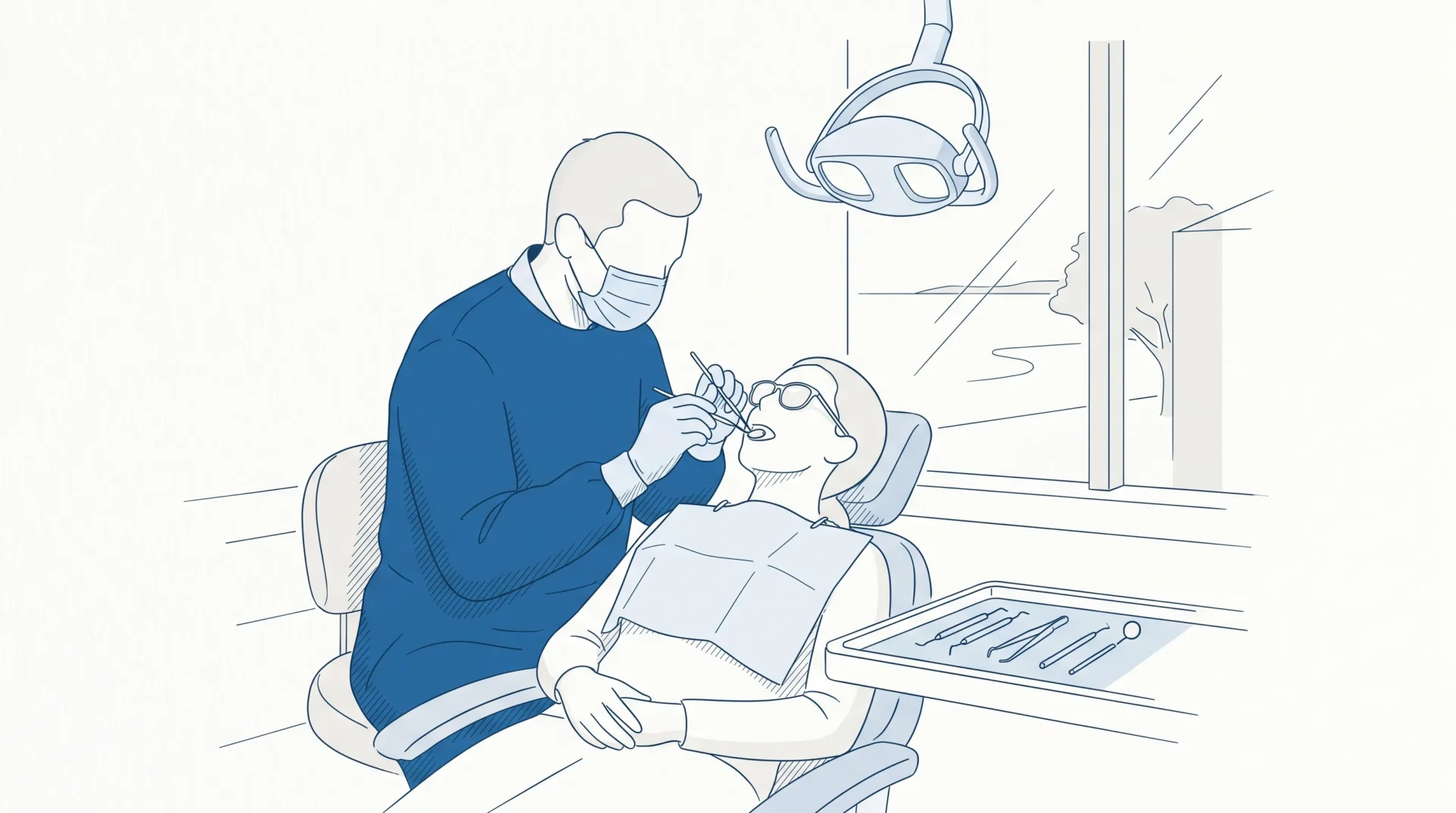
A whitening consultation is usually a practical discussion and examination rather than a commitment to treatment. Your dentist can look at your teeth and gums, ask what you would like to change and explain whether whitening may be suitable based on what they find.
A teeth whitening dentist may take photographs or record your current tooth shade to help with planning and comparison. They can also explain possible side effects, including temporary tooth sensitivity and gum irritation. Some people are more prone to sensitivity due to gum recession, enamel wear, cracks, exposed dentine or recent dental treatment.
If whitening is considered appropriate, your dentist can talk through options that may be available, such as in-chair whitening, dentist-supplied take-home whitening trays or a staged approach. Treatment experiences and outcomes vary between patients, so the aim of the consultation is to make sure you understand the potential benefits, risks, alternatives and limitations before deciding.
Professional whitening compared with retail whitening products
Retail whitening products can be appealing because they are easy to buy, but they are not the same as having a dental assessment first. Some over-the-counter products may help with mild surface staining, depending on the product and how it is used. They may also be unsuitable for people with untreated decay, gum irritation, exposed roots, cracked teeth or extensive dental restorations.
A teeth whitening dentist can help you weigh up whether professional whitening, a scale and clean, monitoring or another dental option is more appropriate. This does not mean every stain needs treatment. It means the decision is based on the condition of your mouth rather than the assumption that all discolouration has the same cause.
Be cautious with abrasive products, unregulated online products or advice that encourages strong whitening without a dental check. Dentalspa has also written about the risks of online dentistry, including treatments and products used without appropriate professional guidance.
How to reduce stains after whitening or cleaning
No whitening option prevents future staining. Teeth naturally change colour over time, and the rate of staining varies between people. If you choose whitening, your dentist can explain maintenance options, but ongoing habits still matter.
A teeth whitening dentist may suggest practical stain-reduction steps such as limiting frequent sipping of coffee, tea or red wine, rinsing with water after strongly coloured drinks, stopping smoking where relevant and keeping up with regular dental cleans. Brushing twice a day with fluoride toothpaste and cleaning between teeth can also help reduce plaque buildup, which can trap stains.
It is also sensible to avoid repeating whitening too often without dental advice. More whitening is not always better, especially if you already have sensitivity, gum recession or enamel wear. Your dentist can explain an interval and method that may be suitable for your circumstances.
Seeing a teeth whitening dentist in Geelong
If you are comparing whitening options around Geelong, Newtown, Geelong West, East Geelong, Belmont or Highton, it can help to start with a dental assessment rather than choosing a product first. Stains can have different causes, and the most suitable approach may be cleaning, whitening, repair of a restoration, monitoring or another dental treatment.
A teeth whitening dentist at Dentalspa Geelong can assess your oral health, discuss your goals and explain whether whitening may be appropriate for you. Dentalspa offers general and cosmetic dental care in Geelong, including tooth whitening, and the team can talk through options without assuming treatment is necessary.
For a broader overview of the whitening choices discussed at the clinic, you can read Dentalspa's guide to tooth whitening options at Dentalspa.
Frequently asked questions
Can yellow teeth always be whitened? Not always. Yellowing may respond to whitening in some cases, but the cause matters. Enamel thickness, diet, ageing, medication history, previous dental treatment and oral health can all affect what is possible.
Should I get my teeth cleaned before whitening? Many patients benefit from a dental check and professional clean before whitening is considered. Removing plaque, tartar and surface stain can help your dentist assess the true tooth colour and identify any issues first.
Can whitening damage my teeth? Whitening can be appropriate for some people when used correctly, but it is not risk-free. Possible side effects include temporary sensitivity, gum irritation and uneven colour, especially if there are restorations or untreated dental problems.
Why is one tooth darker than the others? A single darker tooth can be linked with previous trauma, nerve changes, decay, old fillings or internal staining. It should be assessed by a dentist before whitening is attempted.
Do I need a teeth whitening dentist for mild coffee stains? Mild surface stains do not always require whitening. A dental clean and habit changes may be enough for some people, but a dentist can assess whether whitening is suitable if the stains continue to bother you.
Discuss stains with a Geelong dentist
Tooth stains are common, but they do not all have the same cause. A dental examination can help determine what is contributing to the colour change and which options may be appropriate for your oral health.
To discuss your concerns, you can book an appointment with the team at Dentalspa Geelong. Your dentist can explain the potential benefits, risks and alternatives so you can make an informed decision about whitening or other suitable options.
Disclaimer
The information provided on this website is for general informational and educational purposes only. It is not intended to replace professional dental advice, diagnosis or treatment. Dental needs and treatment outcomes vary between individuals. Always seek advice from a qualified dental practitioner regarding your specific circumstances before making decisions about your oral health or treatment. A consultation and clinical assessment are required to determine which treatment options may be suitable for you. All dental procedures carry potential risks and benefits, which will be discussed with you before treatment.