
Clear Aligners or Braces: What May Suit Your Needs?
31 August 2026 | Braces, Invisalign, Orthodontics
If you are comparing braces with clear aligners for teeth, the most useful starting point is this: both options may help move teeth into a better position, but they suit different needs. Your oral health, bite, age, lifestyle, treatment goals and the type of tooth movement required all matter.
For many people in Geelong, the choice is not simply about which option looks less noticeable. Clear aligners and braces work in different ways, require different habits and have different limitations. A dental assessment is needed before any recommendation can be made.
Clear Aligners for Teeth vs Braces: The Short Answer
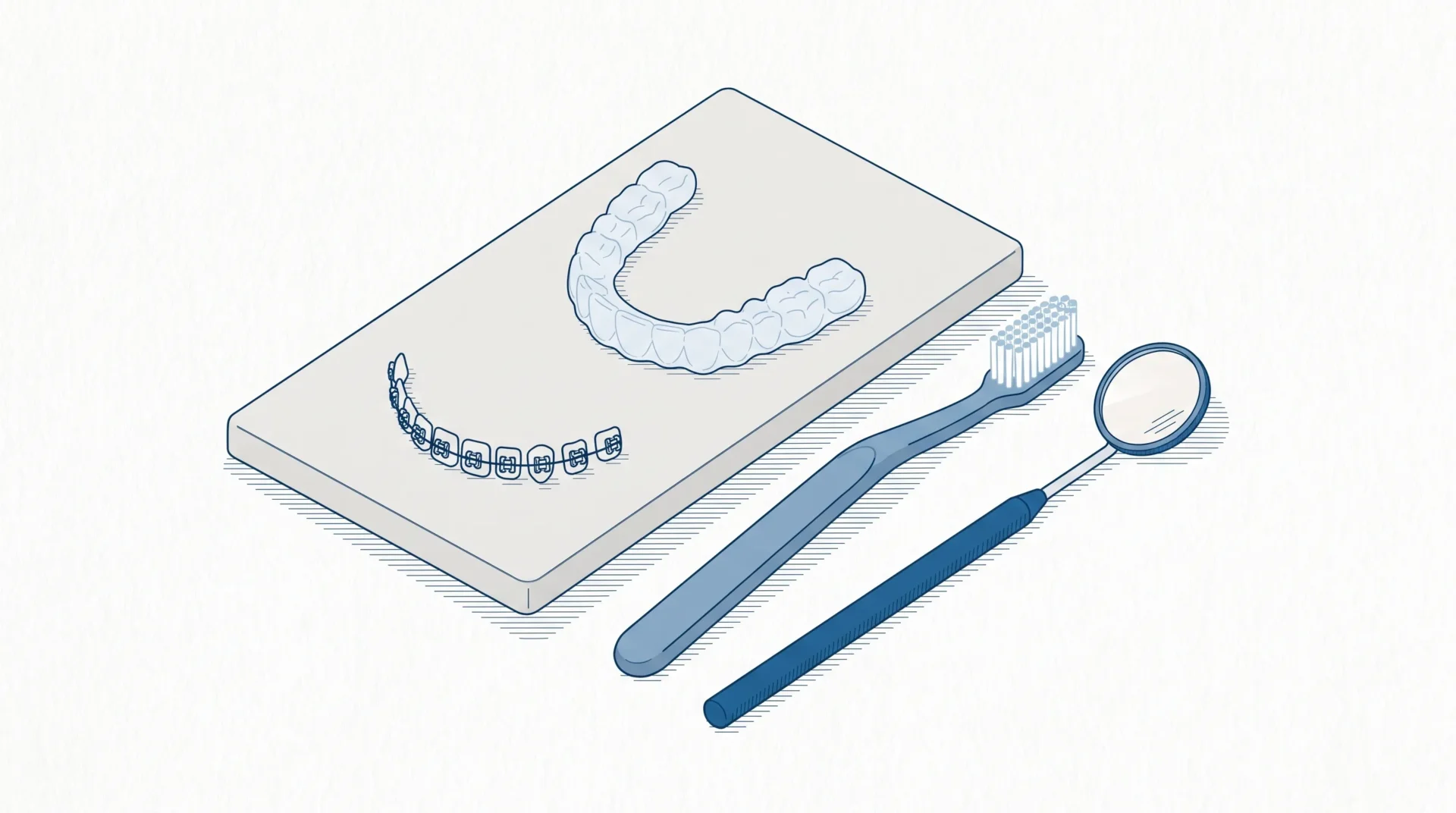
Clear aligners are removable, transparent trays that fit over your teeth. They are changed in stages to gradually guide tooth movement. Invisalign is one well-known clear aligner system, but not the only type.
Braces are fixed to the teeth. They usually use brackets and wires to apply controlled pressure over time. Because they stay in place, they do not rely on remembering to wear them for a set number of hours each day.
Neither option is automatically better. Clear aligners may be considered for some mild to moderate crowding, spacing or bite concerns. Braces may be more appropriate where more complex tooth movement is needed or where removable aligners would be difficult to wear consistently.
If you are still early in your research, Dentalspa has a related guide on straightening teeth with Invisalign or braces that explains the basic differences between the two approaches.
How Clear Aligners Work
Clear aligners are made to fit your teeth at different stages of treatment. Each aligner applies gentle pressure to selected teeth. After a set period, you move to the next aligner in the sequence, as directed by your dentist.
Because aligners are removable, you usually take them out for eating, drinking anything other than water, brushing and flossing. This can make daily cleaning simpler than cleaning around fixed braces, but it also means success depends heavily on wear time and routine.
Many clear aligner plans require aligners to be worn for most of the day and night. If aligners are not worn as instructed, tooth movement may not track as planned. This can lengthen treatment or affect the final result.
Clear aligners may appeal to adults and older teenagers who want a less visible orthodontic option. They can also be useful for people who play certain contact sports or musical instruments, depending on the individual situation. Suitability still depends on the teeth, gums, bite and treatment goals.
How Braces Work
Braces are fixed appliances. A dentist or orthodontic provider attaches brackets to the teeth and connects them with wires. These wires are adjusted over time to guide tooth movement.
Because braces stay on the teeth, they can be helpful when continuous pressure is needed or when compliance may be a concern. They may also provide more control for certain movements, such as significant rotations, vertical tooth movement or more complex bite correction.
Braces can be used for children, teenagers and adults when suitable. However, they require careful brushing and flossing because food and plaque can collect around brackets and wires. Your dental team may recommend extra cleaning tools, such as interdental brushes, to help maintain gum health during treatment.
A Practical Comparison
The table below outlines common differences. It is a general guide only, as your dentist needs to assess your mouth before advising what may suit you.
| Factor | Clear aligners | Braces |
|---|---|---|
| Appearance | Transparent and usually less noticeable | More visible, although bracket types can vary |
| Removable | Yes, for eating and cleaning | No, fixed to the teeth during treatment |
| Eating | Usually no major food restrictions because aligners are removed | Some sticky, hard or chewy foods may need to be avoided |
| Cleaning | Teeth can be brushed and flossed without the aligners in | Cleaning around brackets and wires takes more time |
| Wear habits | Requires consistent daily wear as directed | Does not rely on remembering to wear an appliance |
| Suitability | May suit some mild to moderate alignment concerns | May suit a wider range of complex movements in some cases |
| Appointments | Review intervals vary by case | Regular adjustments or reviews are usually needed |
For general patient information about orthodontic treatment in Australia, Orthodontics Australia is a useful resource.
When Clear Aligners May Be Considered
Clear aligners may be worth discussing if you have mild to moderate crowding, small gaps between teeth or relapse after previous orthodontic treatment. They may also be considered when you prefer a removable option and feel confident you can wear them as directed.
They can be suitable for some bite concerns, but not all. The shape of your teeth, how your upper and lower teeth meet, the health of your gums and the amount of tooth movement needed can all influence whether aligners are appropriate.
Clear aligners may not be suitable if:
- Significant bite correction is required.
- Teeth need complex movements that aligners may not predictably achieve.
- There is active gum disease or untreated tooth decay.
- Wearing aligners for the required time each day may be difficult.
- You regularly lose removable appliances or cannot keep them clean.
If aligners are suitable, your dentist may explain whether attachments are needed. These are small tooth-coloured shapes placed on teeth to help the aligners grip and move teeth more effectively. They are common in many aligner plans, but whether they are needed depends on the case.
If you are already leaning towards Invisalign, Dentalspa’s practical tips for wearing Invisalign may help you understand the daily habits involved.
When Braces May Be More Appropriate
Braces may be recommended when the planned tooth movement is more complex, when the bite needs significant correction or when teeth need movements that fixed appliances can control more reliably in a particular case.
They may also be considered for younger patients who may not be ready to manage removable aligners, although this varies. Some teenagers manage aligners well, while others find fixed braces easier because there is no need to remember to put them back in after meals.
Braces may be more suitable if your dentist identifies concerns such as severe crowding, impacted teeth, larger rotations, a deep bite, an open bite or jaw growth issues. In some cases, your dentist may discuss referral to an orthodontist for assessment.
For parents considering timing, Dentalspa has also written about how orthodontic treatment is changing, including why some children benefit from earlier orthodontic assessment.
What an Assessment May Involve
A teeth straightening consultation is not just a quick look at whether teeth are crooked. Your dentist needs to understand how your teeth, gums, jaw joints and bite are working together.
At an assessment, your dentist may:
- Ask about your concerns, goals and dental history.
- Check for tooth decay, gum inflammation, worn teeth or previous dental work.
- Assess how your upper and lower teeth meet when you bite.
- Discuss whether X-rays, photographs, scans or impressions are needed.
- Explain possible options, limitations, risks and alternatives.
- Discuss expected treatment timeframes if an option appears suitable.
For patients in Geelong, including those living or working around Newtown, Geelong West, East Geelong, Belmont and Highton, this type of assessment can help narrow the decision from “aligners or braces?” to “what is appropriate for my mouth?”
Oral Health Comes First
Before any orthodontic treatment, your teeth and gums need to be healthy enough for tooth movement. If there is untreated decay, active gum disease or ongoing oral hygiene concerns, your dentist may recommend addressing those first.
Moving teeth through unhealthy gums can increase the risk of problems. Poor cleaning during treatment can also contribute to tooth decay, white spot marks on enamel or gum inflammation. This is why your dentist may spend time discussing brushing, flossing and diet before starting aligners or braces.
The Australian Dental Association’s patient resource teeth.org.au provides general information on caring for teeth and gums, which remains important during any orthodontic treatment.
Possible Benefits, Risks and Limitations
Teeth straightening may help improve tooth alignment and, in some cases, make certain areas easier to clean. It may also help improve how the teeth meet, depending on the type of bite issue and the treatment plan.
However, orthodontic treatment has limitations. Teeth do not always move exactly as predicted. Some people need refinements, additional appointments or a change in plan. After treatment, retainers are usually recommended to help maintain tooth position, but teeth can still shift over time.
Potential risks and side effects may include temporary discomfort, ulcers or irritation, tooth sensitivity, gum inflammation, root shortening, gum recession, decay around poorly cleaned areas or relapse after treatment. Not everyone experiences these issues, but they should be discussed before treatment begins.
Clear aligners also come with specific considerations. They may affect speech temporarily, need careful cleaning and can be misplaced if not stored safely. Braces can make brushing more difficult and may cause irritation to the cheeks or lips, particularly early in treatment or after adjustments.
Lifestyle Factors That May Influence Your Choice
Your daily habits matter. Clear aligners require a routine. You need to remove them before meals, clean your teeth before putting them back in and store them safely when they are out of your mouth. If you snack often or sip coffee throughout the day, this may take more planning.
Braces require a different type of commitment. You do not have to remember to wear them, but you do need to clean carefully around brackets and wires. You may also need to avoid some foods that could bend wires or loosen brackets.
Work, school, sport, travel and social habits can all influence what feels manageable. A good treatment choice is not only clinically suitable. It also needs to fit realistically into your life.
Cost and Payment Considerations
The cost of clear aligners or braces varies depending on the complexity of treatment, records required, number of appointments, appliance type, treatment duration and whether refinements or retainers are included.
It is not possible to give an accurate treatment cost without an assessment. After examining your teeth and discussing your goals, your dentist can provide a treatment plan and explain fees, inclusions and payment options. Dentalspa Geelong offers payment options, and the team can explain what may be available for your situation.
If you have private health insurance, orthodontic benefits vary between policies. It may be worth checking your level of cover, waiting periods and annual or lifetime limits before starting treatment.
Questions to Ask Before Choosing Aligners or Braces
Before deciding, consider asking your dentist:
- What orthodontic concerns can you see in my case?
- Are clear aligners, braces or another option suitable for me?
- What are the main benefits and limitations of each option for my mouth?
- What risks should I understand before starting?
- How often would I need appointments?
- What happens if my teeth do not move as planned?
- Will I need retainers after treatment?
- What costs are included in the proposed treatment plan?
These questions can help you make a considered decision rather than choosing based only on appearance or convenience.
Frequently Asked Questions
Are clear aligners better than braces? Not necessarily. Clear aligners may suit some people, while braces may be more appropriate for others. The right option depends on your teeth, bite, gum health, treatment goals and whether you can follow the required routine.
Can clear aligners fix crowded teeth? Clear aligners may help with some mild to moderate crowding, but they are not suitable for every case. Severe crowding or complex bite concerns may require braces or another orthodontic approach.
Do braces work faster than clear aligners? Treatment time varies between patients. The speed of tooth movement depends on the complexity of the case, the treatment plan, biological response and how well instructions are followed.
Can adults have braces or clear aligners? Many adults can be assessed for orthodontic treatment. Suitability depends on oral health, gum condition, bone support, existing dental work and the type of tooth movement required.
Will I need retainers after aligners or braces? Retainers are commonly recommended after orthodontic treatment to help maintain tooth position. Your dentist can explain the type of retainer and wearing schedule that may be appropriate for you.
Can I choose clear aligners just for cosmetic reasons? You can discuss cosmetic goals with your dentist, but treatment should still be based on a clinical assessment. Your dentist will consider your bite, oral health, risks, limitations and alternatives before recommending an option.
Discuss Teeth Straightening Options in Geelong
If you are deciding between clear aligners and braces, a dental examination can help determine which options may be appropriate for your circumstances. Your dentist can assess your oral health, explain possible benefits and risks and discuss alternatives if orthodontic treatment is not suitable.
To talk through your options, you can book an appointment with the team at Dentalspa Geelong. Treatment recommendations can only be made after an individual assessment.
Disclaimer
The information provided on this website is for general informational and educational purposes only. It is not intended to replace professional dental advice, diagnosis or treatment. Dental needs and treatment outcomes vary between individuals. Always seek advice from a qualified dental practitioner regarding your specific circumstances before making decisions about your oral health or treatment. A consultation and clinical assessment are required to determine which treatment options may be suitable for you. All dental procedures carry potential risks and benefits, which will be discussed with you before treatment.