
What Parents Should Know About Children’s Dental Cleans
24 August 2026 | Children's Dentistry, Preventative Dentistry, Teeth Cleaning
Children’s dental cleans are usually short, calm appointments focused on removing plaque, checking brushing habits and helping your child feel familiar with dental care. Many parents search for pediatric dental cleaning, although in Australia you may also hear it called a children’s dental clean, a scale and polish or a check-up and clean.
The main thing to know is that a child’s clean should be based on their age, dental development, oral health and comfort level. Some children need only a simple polish and guidance. Others may need tartar removed, fluoride discussed or a closer look at early signs of tooth decay.
What is a pediatric dental cleaning?
A children’s dental clean is a professional clean carried out by a dentist or oral health professional. It is designed to remove soft plaque, hardened tartar if present and surface staining that brushing at home may not fully remove.
Plaque is the sticky film that forms on teeth each day. When plaque sits on teeth for too long, it can contribute to tooth decay and gum irritation. Tartar, also called calculus, is plaque that has hardened and usually needs professional instruments to remove.
For children, a dental clean is often as much about prevention and confidence as it is about cleaning. The appointment may include checking how teeth are erupting, looking at the gums, discussing brushing technique and answering parent questions about toothpaste, flossing, diet or thumb sucking.
A children’s clean is not necessarily the same as an adult dental clean. Adults often need more detailed scaling around the gumline, especially if gum disease is present. Children may need a gentler, shorter clean with simple explanations and time to get used to the dental environment.
When should children start having dental cleans?
A first dental visit is usually recommended when a baby’s first tooth appears or by around 12 months of age. Healthdirect Australia’s dental care for children information gives parents a useful overview of early dental care and why baby teeth need attention.
That first visit may not involve a full clean. For babies and toddlers, it may be more about checking tooth development, discussing feeding and brushing and helping the child become familiar with the dental setting.
As more teeth come through and your child becomes more comfortable, the dentist may recommend a polish or clean when it is appropriate. The timing depends on what is found during the examination. A child with very little plaque may not need much cleaning. A child with visible plaque, tartar, staining, early decay risk or gum irritation may benefit from a more thorough clean and preventive advice.
Baby teeth matter because they help children chew, speak and hold space for adult teeth. Keeping them clean can also help reduce the risk of avoidable dental problems during childhood.
How often should children have dental cleans?
There is no single cleaning schedule that suits every child. Many children attend the dentist every 6 months, but some may be advised to come more or less often depending on their risk of tooth decay, brushing habits, medical history, diet and previous dental findings.
Your child may need closer review if they have:
- A history of tooth decay or fillings
- Difficulty brushing thoroughly
- Braces or other orthodontic appliances
- Frequent sugary snacks or drinks
- Dry mouth or certain medical conditions
- Teeth with deep grooves that trap plaque
- Gum bleeding or visible tartar
If you are unsure about timing, Dental Spa’s article on how often children should attend the dentist explains why visit frequency is usually based on individual risk rather than a fixed rule for every child.
What happens during a children’s dental clean?
The details of the appointment can vary with your child’s age and needs. A dentist will usually explain what they are doing in child-friendly language and adapt the pace if your child is unsure.
| Part of the appointment | What it may involve | Why it matters |
|---|---|---|
| Gentle examination | Looking at the teeth, gums, bite and tooth development | Helps identify concerns early and decide whether a clean is needed |
| Plaque and tartar check | Checking areas that are hard to brush, such as back molars and near the gumline | Shows where home brushing may need support |
| Cleaning | Removing soft plaque and tartar where present | Helps reduce build-up that can contribute to decay or gum irritation |
| Polish | Using a soft polishing cup or brush with dental paste | Can remove some surface staining and leave teeth feeling smoother |
| Fluoride discussion | Fluoride treatment may be discussed where suitable | May help strengthen enamel depending on the child’s decay risk and individual needs |
| Parent guidance | Brushing, flossing, toothpaste, snacks and drink choices | Supports daily habits between dental visits |
A clean does not replace daily brushing and flossing at home. It also cannot repair a cavity once a hole has formed in the tooth. If decay or another concern is found, your dentist can explain what was seen and discuss suitable options, including the potential benefits, risks and alternatives.
Will a dental clean be uncomfortable for children?
Most children cope well with a simple clean, especially when the appointment is explained clearly and kept age-appropriate. They may notice vibration, water spray, a tickly feeling or the taste of dental paste. If there is tartar close to the gums, the gums may feel tender afterwards for a short time.
A child who is anxious, sensitive to sound or new to dental care may need a slower introduction. That might mean starting with a ride in the chair, counting teeth or polishing only a few teeth at the first visit. Forcing a child through treatment can make future visits harder, so many dental teams take a gradual approach where clinically appropriate.
Tell the dentist if your child has sensory sensitivities, a previous difficult dental experience, medical conditions or strong fears. This helps the team plan the appointment in a way that is safer and more manageable for your child.
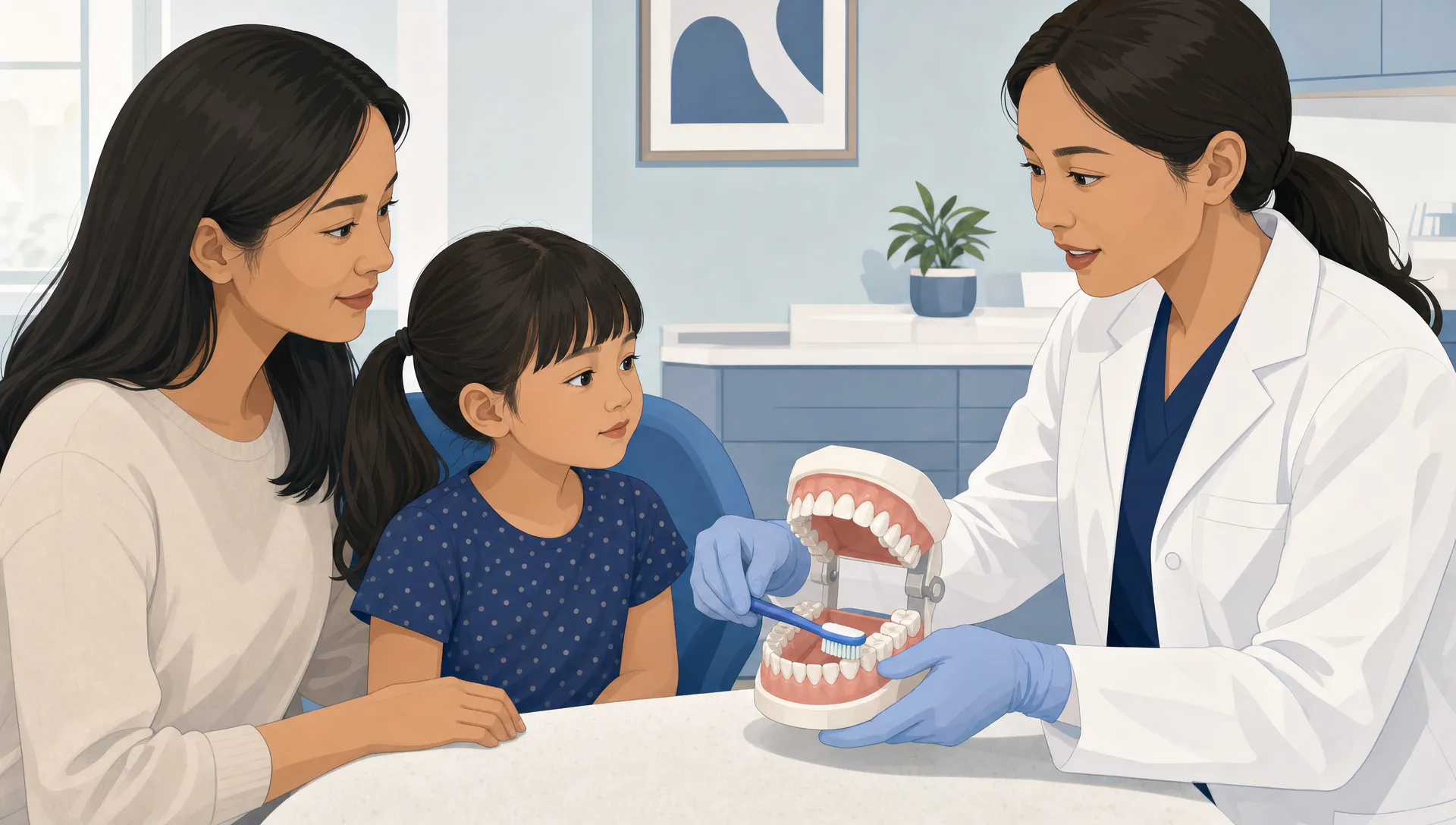
How to help your child prepare for a dental clean
Preparation can make a dental clean feel more predictable. Keep the explanation simple and honest. You might say, “The dentist will count your teeth and clean away any sticky plaque.” Avoid words that may create worry, such as drill, needle or pain, unless they are clinically relevant and explained by the dental team.
Helpful ways to prepare include:
- Reading a children’s book about visiting the dentist
- Practising opening wide in front of a mirror
- Letting your child bring a comfort item if they need one
- Booking at a time of day when your child is usually well rested
- Staying calm if your child is unsure or asks repeated questions
If your child has not had a dental appointment before, this parent-friendly guide to creating a positive first dental visit offers extra ideas about what to say and what to expect.
For a local perspective, Dental Spa also has a guide on how to prepare your child for their first check-up, which may be useful if you are planning an appointment in Geelong.
Home care matters more than the occasional clean
A professional clean can be useful, but everyday habits do most of the work. Brushing twice a day with an age-appropriate fluoride toothpaste, helping children clean properly and limiting frequent sugary snacks and drinks can all support oral health.
Young children usually need hands-on help with brushing because they do not yet have the coordination to clean all tooth surfaces thoroughly. Older children may still need supervision, especially around back molars and along the gumline.
Flossing may be recommended once teeth touch side by side and a toothbrush cannot clean between them properly. Your dentist can show you how to do this in a way that suits your child’s mouth and tolerance.
For more practical tips between appointments, Dental Spa’s guide to preventing dental decay in children covers brushing, flossing and food choices in more detail.
What if your child has braces, aligners or deep grooves in their teeth?
Children with orthodontic appliances can find cleaning more difficult. Brackets, wires or aligners can trap plaque if brushing is rushed. Your dentist or orthodontic provider may recommend more frequent cleans or specific cleaning aids, depending on the situation.
Some children also have deep grooves in their back teeth. These grooves can collect plaque and food even with regular brushing. A dentist may discuss preventive options such as fissure sealants if they are suitable. Fissure sealants are thin protective coatings placed in the grooves of back teeth to help reduce plaque trapping. They are not needed for every child and should be considered after an examination.
Are children’s dental cleans covered by dental benefits?
Some Australian children may be eligible for the Child Dental Benefits Schedule, often called the CDBS. This Australian Government program can help cover basic dental services for eligible children, up to the available limit and according to the current rules.
Eligibility, balances and covered services can change, so it is worth checking before an appointment. Dental Spa provides information on how to check your child’s dental benefits if you would like to understand the process before booking.
If your child is not eligible for CDBS, the clinic can explain fees and payment options before treatment where possible. Costs can vary because the appointment depends on what your child needs.
When should parents book sooner rather than waiting for a routine clean?
A routine dental clean is not designed to manage every dental problem. Arrange an assessment if your child has symptoms such as toothache, facial swelling, a broken tooth, dental trauma, persistent bad breath, bleeding gums, ulcers that do not settle or white, brown or black marks on the teeth.
These signs do not always mean something serious is happening, but they should be assessed by a dentist. If your child has swelling, fever, difficulty swallowing, difficulty breathing or significant facial injury, seek urgent medical or dental care.
Children’s dental cleans in Geelong
For families in Geelong, including Newtown, Geelong West, East Geelong, Belmont and Highton, it can be useful to fit dental check-ups and cleans around school terms, sport and family routines. School holidays can work well for some families, although the right timing depends on your child’s needs rather than the calendar alone.
At Dental Spa Geelong, children’s dentistry forms part of general family dental care. An appointment can help determine whether your child needs a clean, preventive advice, fluoride discussion or another form of dental care. Treatment recommendations should always be based on an examination and your child’s individual circumstances.
Frequently Asked Questions
At what age should my child have their first dental clean? Your child’s first dental visit is usually recommended when the first tooth appears or by around 12 months of age. A full clean may not be needed at that first visit. The dentist will assess your child’s teeth and recommend cleaning only if it is appropriate.
Is a children’s dental clean the same as an adult clean? Not usually. Children’s cleans are often shorter and more focused on prevention, comfort and education. The amount of cleaning depends on plaque, tartar, staining, age and the child’s ability to cope with the appointment.
How often should children have dental cleans? Some children attend every 6 months, but the right interval depends on their oral health, decay risk, brushing habits and other factors. Your dentist can recommend a suitable review schedule after an examination.
Can baby teeth be professionally cleaned? Yes, baby teeth can be cleaned when needed. They are important for chewing, speech and guiding adult teeth into position. The dentist will decide whether cleaning is suitable based on your child’s age, comfort and oral health.
What if my child is nervous about the dentist? Let the dental team know before the appointment. A slower introduction, simple explanations and a shorter first visit may help some children become more comfortable. Experiences vary, and some children need more time than others.
Are there any risks with children’s dental cleans? A routine clean is generally low risk, but children may notice temporary gum tenderness, sensitivity, taste, vibration or tiredness after a new experience. All dental procedures have potential benefits and risks, so your dentist should explain anything relevant to your child’s situation.
Can a dental clean stop my child getting cavities? A clean can remove plaque and support prevention, but it cannot guarantee your child will not develop cavities. Daily brushing, fluoride toothpaste, flossing where needed, diet and regular dental checks all play a role.
To discuss your child’s dental clean
If you have questions about children’s dental cleans, a dental examination can help clarify what your child needs and whether a clean is appropriate. To discuss your child’s oral health, you can book an appointment with the team at Dental Spa in Geelong.
Disclaimer
The information provided on this website is for general informational and educational purposes only. It is not intended to replace professional dental advice, diagnosis or treatment. Dental needs and treatment outcomes vary between individuals. Always seek advice from a qualified dental practitioner regarding your specific circumstances before making decisions about your oral health or treatment. A consultation and clinical assessment are required to determine which treatment options may be suitable for you. All dental procedures carry potential risks and benefits, which will be discussed with you before treatment.