
What to Expect From a Cosmetic Dentist Consultation
12 August 2026 | News
A cosmetic dentist consultation should feel clear, collaborative and reassuring. It is not simply a quick conversation about whiter teeth or a straight smile. It is a chance to understand what you would like to change, check that your teeth and gums are healthy enough for cosmetic treatment, and map out the safest options for your smile.
If you have never had a cosmetic dental appointment before, it is normal to feel unsure about what will happen. You might be wondering whether you need X-rays, whether you will be pressured into treatment, how much information you will receive, or whether your goals are realistic. A good consultation answers these questions before you make any decisions.
What is a cosmetic dentist consultation?
A cosmetic dentist consultation is an appointment focused on the appearance, function and health of your smile. When people look for a cosmetic dentist, they are often hoping to improve concerns such as discolouration, chips, gaps, worn edges, crowding, old fillings, uneven teeth or missing teeth.
In Australia, cosmetic dentistry is generally provided by dentists with training and experience in aesthetic dental treatments, rather than being a separate registered dental specialty. That makes the consultation especially important. It helps you understand the dentist’s approach, the treatment options available, and how your oral health affects your results.
The aim is not to push you toward the most complex option. The aim is to work out what is possible, what is appropriate, and what kind of result would look natural for your face, bite and lifestyle. For a broader look at common smile improvement options, Dentalspa Geelong’s guide to cosmetic dentistry and achieving your best smile is a helpful starting point.
Before your appointment: what to think about
You do not need to arrive with all the answers. In fact, many patients only know that they dislike something about their smile, but they are not sure which treatment would fix it. Still, a little preparation can make your consultation more useful.
Before you attend, think about what you would like to change and why. Is it the colour of your teeth, the shape of one tooth, the way your teeth show when you smile, or the overall balance of your smile? If you have an event coming up, such as a wedding or milestone birthday, mention the date early. Some treatments can be completed quickly, while others need several appointments or months of planning.
It can also help to bring or note:
- Photos of smiles you like, especially if they show tooth shape, colour or proportions you prefer
- A list of dental concerns, including sensitivity, grinding, jaw discomfort or bleeding gums
- Details of past dental treatment, such as crowns, veneers, implants, whitening or orthodontics
- Any medications or relevant medical conditions
- A realistic budget range or preference for staged treatment
- Questions about maintenance, payment options or treatment timing
Photos can be useful, but they should be treated as inspiration rather than a template. Your best result should suit your own teeth, facial features and oral health.
What happens during the consultation?
Every clinic has its own appointment flow, but most cosmetic dental consultations follow a similar structure. You can expect a mix of conversation, clinical assessment and treatment planning.
A conversation about your smile goals
Your dentist will usually begin by asking what has brought you in. This is your chance to explain what you notice when you smile, talk or see yourself in photos. Some patients have one specific concern, such as a chipped front tooth. Others want a more complete smile refresh.
A thoughtful dentist will ask questions before suggesting treatment. For example, they may ask whether you prefer a subtle change or a dramatic transformation, whether you have had whitening before, and whether you are comfortable with ongoing maintenance. This discussion helps avoid mismatched expectations.
An oral health check
Cosmetic treatment works best on healthy foundations. Your dentist will examine your teeth, gums, bite and existing dental work. They may check for decay, cracks, gum inflammation, recession, tooth wear, grinding signs, crowding, bite issues or failing restorations.
This step matters because appearance and health are closely connected. For example, whitening may not be suitable if tooth sensitivity is unmanaged. Veneers or bonding may not last well if there is heavy grinding. Aligners or braces may need gum health to be stable first. If your dentist finds an underlying issue, they should explain how it affects your cosmetic options.
Records, photos and X-rays where needed
Depending on your situation, your dentist may recommend clinical photographs, X-rays, impressions or scans. These records can help with diagnosis, planning and communication. X-rays are not always required, but they may be important if the dentist needs to assess tooth roots, bone levels, decay between teeth, old restorations or implant suitability.
According to the Australian Dental Association’s consumer resource Teeth.org.au, regular dental care and early diagnosis are important for preventing small problems from becoming larger ones. That principle applies strongly in cosmetic dentistry, where untreated dental problems can affect both results and longevity.
A smile and bite assessment
A cosmetic consultation often looks beyond individual teeth. Your dentist may assess tooth colour, proportions, gum display, midline, tooth edges, smile symmetry and how your teeth meet when you bite. They may also consider how your lips frame your teeth and how much tooth is visible when you speak.
This is where cosmetic dentistry becomes highly personalised. Two people can ask for “straighter, whiter teeth” and need completely different treatment plans. One may benefit from whitening and edge bonding, while another may need orthodontic movement before any cosmetic finishing.
A discussion of treatment options
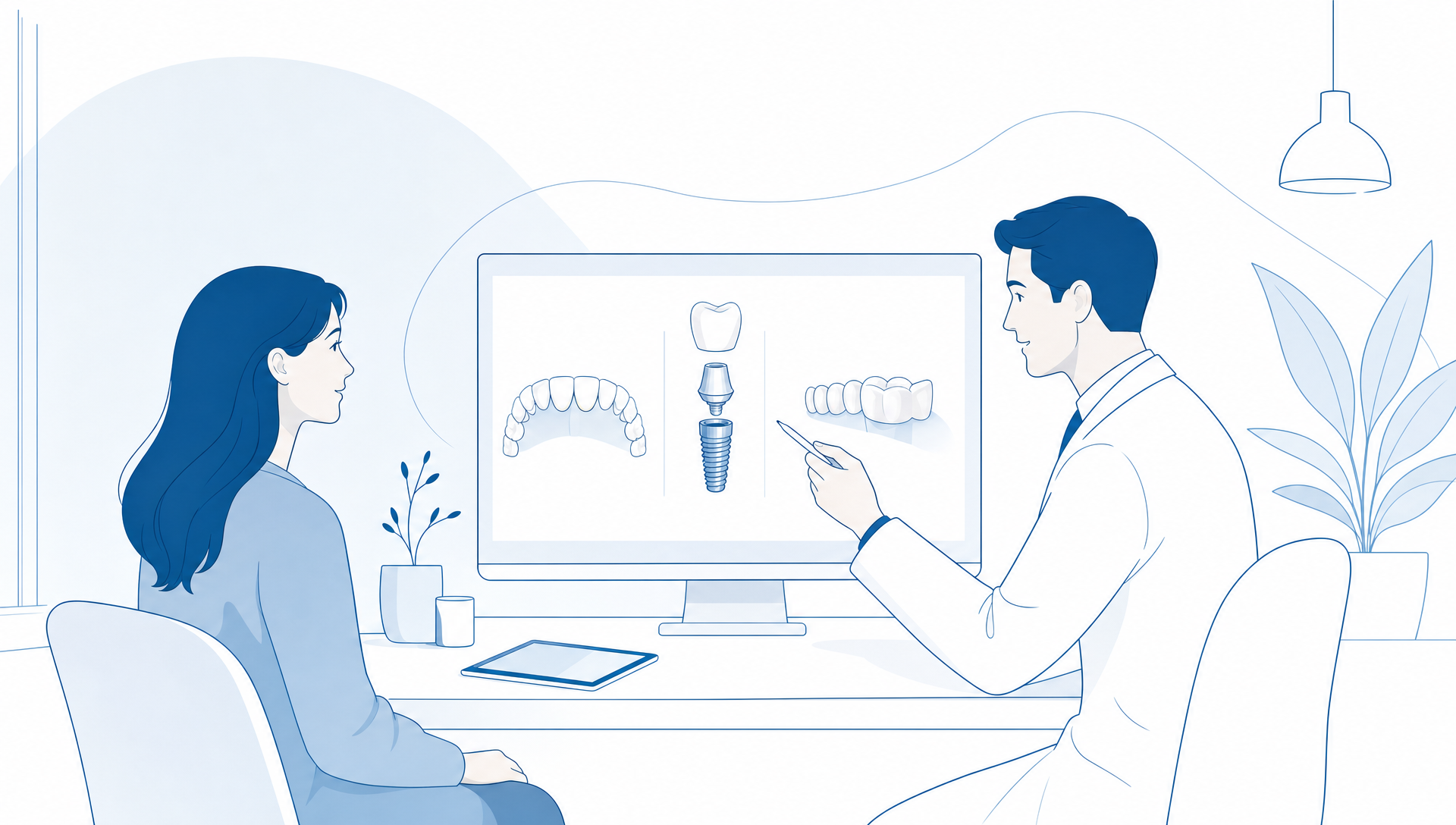
Once your dentist understands your goals and oral health, they can talk through suitable options. You may be given one recommended path or several choices with different timeframes, costs, maintenance needs and levels of tooth preparation.
For example, if your main concern is tooth colour, professional whitening may be considered. If you are exploring this, Dentalspa’s article on tooth whitening at Dentalspa explains why suitability and professional guidance matter. If alignment is the main issue, your dentist may discuss clear aligners or braces, and Dentalspa’s best tips for Invisalign can help you understand what daily treatment commitment can involve.
| Smile concern | Options your dentist may discuss | What needs to be checked first |
|---|---|---|
| Stained or yellow teeth | Professional whitening, replacement of old visible restorations | Cause of discolouration, sensitivity, fillings, crowns or veneers |
| Chipped edges or small gaps | Composite bonding, veneers or reshaping | Enamel strength, bite pressure, grinding habits |
| Crooked or crowded teeth | Clear aligners, braces or cosmetic reshaping | Gum health, bite, tooth movement suitability |
| Worn or cracked teeth | Bonding, crowns, veneers or bite protection | Crack depth, decay, grinding, tooth structure |
| Missing teeth | Dental implants, bridges or other replacement options | Bone levels, gum health, medical history and bite |
Will you receive a treatment plan on the day?
Sometimes you may receive a clear plan during the appointment, especially if your goals are straightforward. In other cases, your dentist may need to review records, consult with another clinician, or complete further diagnostic steps before giving final recommendations.
A useful treatment plan should explain what is being recommended and why. It should also cover the sequence of treatment. For example, gum treatment, fillings or bite management may need to come before whitening, veneers, crowns or aligners. If there are different ways to reach your goal, your dentist should explain the pros and limitations of each option.
Your plan may include:
- The proposed treatments and the order they would happen
- Estimated timing and number of appointments
- Expected maintenance and review needs
- Possible risks, limitations and alternatives
- Fee estimates, payment options and health fund considerations where relevant
It is completely reasonable to ask for time to think. Cosmetic dentistry is a personal decision, and you should feel informed rather than rushed.
Why oral health comes before cosmetic results
One of the most important things to expect from a cosmetic dentist consultation is honesty about what needs to happen first. A beautiful result should not come at the expense of dental health.
If there is decay, gum disease, active infection, unstable bite problems or untreated grinding, these issues can compromise cosmetic work. For example, placing a veneer on a tooth with underlying disease may create bigger problems later. Whitening teeth when gums are inflamed or teeth are very sensitive may lead to discomfort. Moving teeth with aligners when gum health is poor may not be appropriate until the gums are stable.
This does not mean your cosmetic goals are out of reach. It simply means your dentist may recommend a staged approach. Many patients begin with general dental care, move into cosmetic planning, then finish with whitening, bonding, aligners, crowns or other treatments once the foundations are healthier.
Questions to ask your cosmetic dentist
A consultation is your opportunity to interview the dentist as much as it is their opportunity to assess your smile. The right questions can help you compare options and feel confident about your next step.
Consider asking:
- What are the most conservative options for my goal?
- Do I need any general dental treatment before cosmetic work?
- How long should the results last with proper care?
- What maintenance will I need at home and at dental visits?
- Are there any risks or reasons this treatment may not suit me?
- What alternatives are available if I want to stage treatment over time?
- Will the final result look natural with my face and existing teeth?
- What happens if I chip, stain or damage the cosmetic work later?
A good answer should be specific to your mouth, not a generic promise. Be cautious with anyone who guarantees a perfect result without a proper examination.
What a consultation should not feel like
A cosmetic dental consultation should never feel like a high-pressure sales appointment. You should not be pushed into the most expensive option without understanding alternatives. You should not be told that a treatment is suitable without an oral health assessment. You should not feel embarrassed for asking questions or expressing a budget.
It is also wise to be careful with purely online or DIY cosmetic solutions, especially if they involve tooth movement, whitening chemicals or clip-on dental products without proper dental supervision. Teeth and gums are living tissues, and treatment that looks simple online can still carry risks if it is not suited to your mouth.
Trustworthy cosmetic dentistry is based on diagnosis, informed consent and long-term care. The consultation should leave you feeling clearer, even if you decide not to proceed immediately.
After the consultation: what happens next?
After your appointment, you may be ready to book treatment, or you may want time to review your options. Both are normal. If your dentist has recommended preliminary care, such as fillings, gum treatment or a hygiene visit, completing that first may improve your cosmetic outcome.
If you are considering a larger smile makeover, you may have additional planning appointments. These can involve refining the treatment sequence, reviewing records, discussing shade choices, or coordinating different types of care. For orthodontic or implant-related treatment, planning is usually more detailed because the treatment affects function as well as appearance.
It is a good idea to keep your written treatment plan and note any questions that come up later. Cosmetic dentistry is a partnership, and clear communication helps you make decisions that match your goals, budget and lifestyle.
Frequently Asked Questions
Is a cosmetic dentist consultation painful? No, most consultations are comfortable and focus on discussion, examination and planning. If X-rays or other records are needed, your dentist will explain why. If you feel anxious, let the team know at the start so they can support you.
Will I get cosmetic treatment on the same day? Usually, the consultation is for assessment and planning rather than immediate treatment. Some simple treatments may be scheduled quickly, but many cosmetic options require oral health checks, records, consent and preparation first.
How much does cosmetic dentistry cost? Costs vary widely depending on the treatment, the number of teeth involved, materials, complexity and whether other dental care is needed first. Your consultation should help clarify suitable options and provide fee information before you decide.
Do I need healthy teeth before whitening, veneers or aligners? Yes. Cosmetic treatment is safest and most predictable when decay, gum inflammation, infections and bite problems are managed first. Your dentist will check these factors during the consultation.
Can I improve just one tooth? Often, yes. Many patients seek help for one chipped, dark, uneven or worn tooth. Your dentist will assess whether a targeted treatment can blend naturally with the surrounding teeth.
What if I am not sure what treatment I need? That is exactly what the consultation is for. You can explain what bothers you, and your dentist can translate those concerns into realistic treatment options.
Ready to talk about your smile?
If you are considering cosmetic dental treatment, a consultation is the best place to start. It gives you the chance to ask questions, understand your oral health, compare options and make a confident decision without guesswork.
Dentalspa Geelong has supported local families for over 20 years with general, emergency and cosmetic dentistry in a comfortable setting. If you are ready to explore what is possible for your smile, you can book online with Dentalspa Geelong and take the first step toward a personalised treatment plan.
Disclaimer
The information provided on this website is for general informational and educational purposes only. It is not intended to replace professional dental advice, diagnosis or treatment. Dental needs and treatment outcomes vary between individuals. Always seek advice from a qualified dental practitioner regarding your specific circumstances before making decisions about your oral health or treatment. A consultation and clinical assessment are required to determine which treatment options may be suitable for you. All dental procedures carry potential risks and benefits, which will be discussed with you before treatment.