
How Often Should Adults Have a Dental Check-Up?
12 August 2026 | General Dentistry, Preventative Dentistry, Teeth Cleaning
For most adults, a dental check-up is usually recommended every six to 12 months, but the right timing is not the same for everyone. Some adults may only need routine review at longer intervals, while others may benefit from more frequent visits because of gum disease, a high risk of tooth decay, dry mouth, pregnancy, smoking, diabetes, orthodontic treatment or a history of dental problems.
A dental check-up is not just about looking for holes in teeth. It is a chance for your dentist to assess your teeth, gums, bite, existing fillings or crowns, oral hygiene, and any changes in your mouth that may need attention. The aim is to identify concerns early, discuss options clearly and help you maintain oral health in a way that suits your circumstances.
How often should adults book a dental check-up?
The simplest answer is: as often as your dentist recommends after assessing your oral health and risk factors.
Many adults in Geelong and across Australia are advised to attend about twice a year, especially if they have ongoing gum concerns, a history of decay, older restorations, or lifestyle and medical factors that increase oral health risks. Other adults with stable oral health and low risk may be advised on a different recall schedule.
The Australian Dental Association’s patient information site, Teeth.org.au, advises that regular dental visits should be based on individual needs rather than a fixed rule for everyone. That means your check-up frequency should be personalised, not copied from a friend, partner or family member.
Your dentist may consider:
- Your current tooth and gum health
- How often you have had decay, cracks, infections or gum inflammation
- Whether you have crowns, implants, dentures, veneers, bridges or large fillings
- Your brushing and flossing routine
- Your diet, including how often you consume sugary or acidic foods and drinks
- Medical conditions or medications that affect saliva or healing
- Smoking or vaping history
- Pregnancy, menopause or other hormone-related changes
- Whether you grind or clench your teeth
- Any dental anxiety that may make it harder to attend regularly
This individual approach is important because two adults of the same age can have very different dental needs.
Why regular dental check-ups matter
Dental problems are not always obvious in the early stages. Tooth decay can develop between teeth or under old fillings before it causes pain. Gum disease can progress gradually and may start with mild bleeding, swelling or bad breath. Cracks in teeth can also be difficult to notice until biting becomes uncomfortable.
A routine check-up may help your dentist identify these issues earlier, when treatment options may be more conservative. It also gives you a chance to ask questions about sensitivity, bleeding gums, jaw discomfort, tooth wear, bad breath, cosmetic concerns or changes in your mouth.
Regular visits can also support preventive care. Depending on your needs, your dentist or hygienist may discuss brushing technique, interdental cleaning, fluoride use, dietary habits, mouthguards, grinding, or how to care for dental work such as crowns and implants.
This does not mean every visit leads to treatment. Sometimes the most useful outcome is reassurance, monitoring, or a small change to your home care routine.
What happens during an adult dental check-up?
A dental check-up usually begins with a conversation. Your dentist may ask about any symptoms, recent medical changes, medications, dental concerns or previous treatment experiences. This matters because oral health is closely connected to general health, and some medications or conditions can affect your mouth.
Your dentist will then examine your mouth. This may include checking:
- Teeth for decay, cracks, wear or damaged restorations
- Gums for bleeding, inflammation, recession or pocketing
- Existing fillings, crowns, bridges, veneers, implants or dentures
- Bite, jaw joints and signs of grinding or clenching
- Soft tissues, including the tongue, cheeks, lips and palate
- Areas that are difficult to clean at home
Dental X-rays may be recommended if your dentist needs to see areas that are not visible during a visual examination, such as between teeth, under fillings, around roots or near the jawbone. X-rays are not required at every visit for every person. Your dentist should explain why they are suggested and how the information may help guide care.
A professional clean, sometimes called scaling, may also be recommended. This removes plaque and hardened tartar that brushing cannot remove on its own. For some patients, especially those with gum disease, cleaning may need to be more detailed or scheduled more often.
When you may need check-ups more often
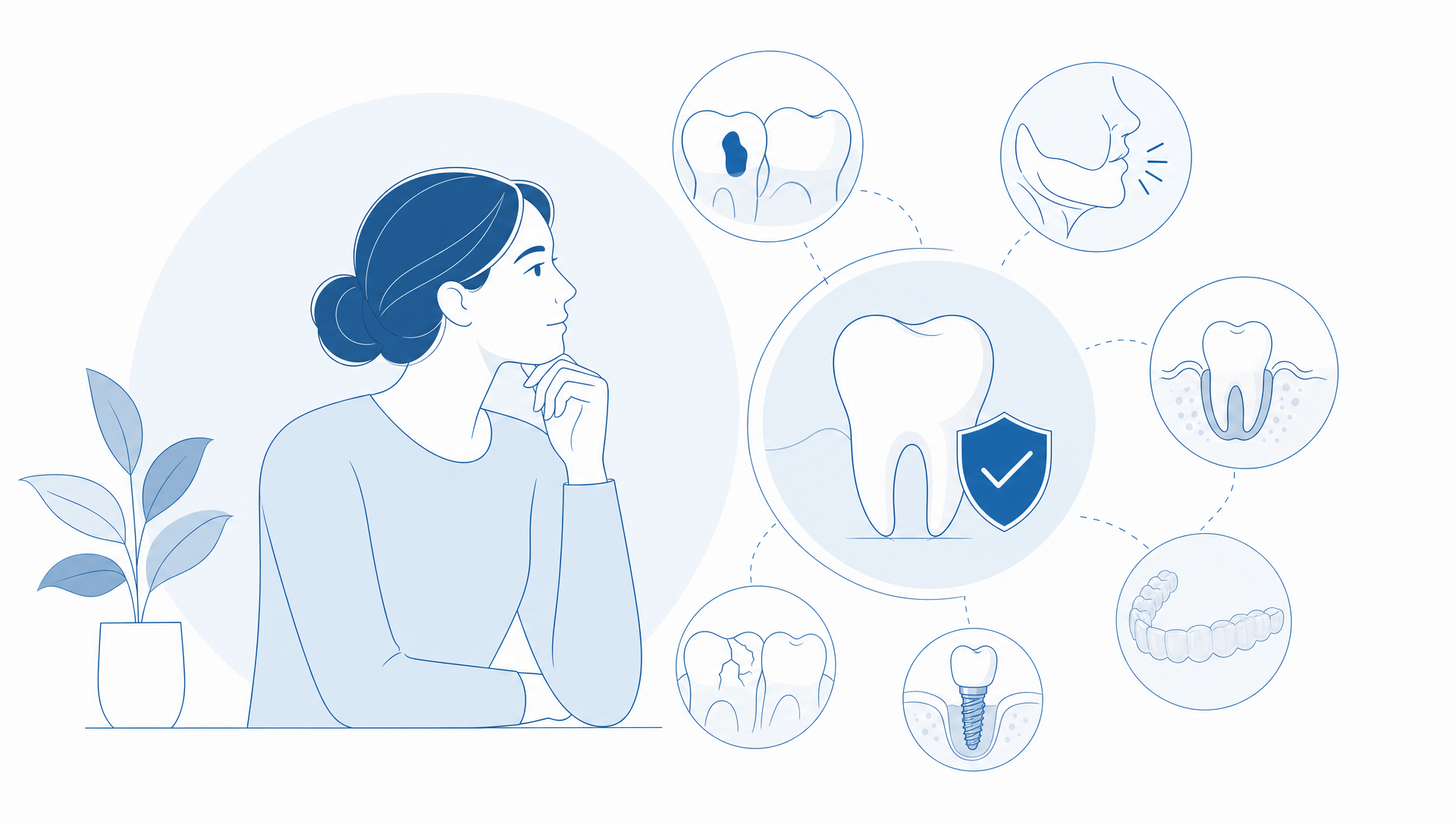
Some adults are more likely to need shorter intervals between dental visits. This does not mean something is wrong with you. It simply means your mouth may need closer monitoring or more regular preventive care.
| Situation | Why your dentist may suggest more frequent reviews |
|---|---|
| Gum disease or bleeding gums | Gum inflammation can progress if plaque and tartar are not managed consistently |
| Frequent tooth decay | More regular monitoring may help identify new decay earlier |
| Dry mouth | Reduced saliva can increase the risk of decay and mouth discomfort |
| Diabetes | Gum health can be affected by blood glucose control and healing changes |
| Smoking or vaping | These can affect gum health and may mask bleeding signs |
| Pregnancy | Hormonal changes may make gums more sensitive or inflamed |
| Braces or clear aligners | Extra cleaning and monitoring may be needed around appliances |
| Dental implants, crowns or bridges | Restorations need ongoing review and maintenance |
| Teeth grinding or clenching | Tooth wear, cracks and jaw symptoms may need monitoring |
| Past dental anxiety | Shorter, regular visits may make appointments feel more manageable for some people |
If you have noticed bleeding when brushing, loose teeth, gum recession or persistent bad breath, it may be worth reading more about gum disease and its warning signs and arranging an assessment rather than waiting for your next routine appointment.
When to book sooner than your routine check-up
Even if your next dental check-up is months away, some symptoms should be assessed earlier. Dental pain does not always improve on its own, and delaying advice may limit the options available.
Consider booking a dental appointment if you notice:
- Toothache or pain when biting
- Swelling in the gum, jaw or face
- A chipped, cracked or broken tooth
- A lost filling, crown or veneer
- Bleeding gums that persist beyond occasional irritation
- Mouth ulcers that do not heal within two weeks
- Sudden tooth sensitivity to cold, heat or sweet foods
- Loose adult teeth
- Jaw pain, clicking or difficulty opening
- Changes in the colour, texture or shape of tissue inside the mouth
If swelling affects breathing, swallowing or your general wellbeing, seek urgent medical or dental advice promptly.
Is a six-monthly dental check-up always necessary?
Not always. The common “every six months” recommendation is a useful guide for many adults, but it is not a universal rule.
Your dentist may suggest a six-monthly check-up if you have moderate or higher risk factors, gum concerns, active decay risk, many restorations, or dental work that needs ongoing maintenance. In other situations, a different interval may be appropriate.
The key is that the interval should be based on a clinical assessment. If you are unsure why a particular timeframe has been recommended, ask your dentist to explain what they are monitoring and what you can do at home to support your oral health between visits.
How to look after your teeth between dental check-ups
Regular dental visits work best when paired with consistent daily care. Small habits are often more useful than complicated routines.
For most adults, a practical home care routine includes brushing twice a day with fluoride toothpaste, cleaning between the teeth daily, limiting frequent sugary snacks and drinks, drinking plenty of water, and replacing your toothbrush or brush head when the bristles become worn.
If flossing feels awkward or uncomfortable, your dentist may suggest alternatives such as interdental brushes or water flossers depending on your teeth and gums. You can also read Dental Spa’s guide to flossing every day for simple tips on making interdental cleaning more manageable.
Busy schedules can make oral care harder to maintain. If work, parenting, shift work or study often pushes dental care to the bottom of the list, our article on oral health for busy lives offers practical ideas that may help.
Dental check-ups for adults with children or older family members
Many adults think about their own dental check-up schedule while also organising care for children, teenagers or older relatives. Family dental needs change with age. A child learning to brush, an adult managing fillings, and an older person wearing dentures may all need different review intervals.
If you are coordinating appointments for several people in your household, this practical guide to family dental care at every age gives a broad overview of how dental care needs can change through different life stages.
For younger families in Geelong, Dental Spa also has a separate article on how often children should attend the dentist, which may be useful if you are planning appointments for your child as well as yourself.
How to make the most of your next dental check-up
A check-up is more useful when your dentist has the full picture. Before your appointment, it can help to think about any symptoms or questions you want to raise.
You may want to mention:
- Sensitivity, bleeding, soreness or jaw discomfort
- Any changes since your last visit
- New medications or medical diagnoses
- Pregnancy or recent hormonal changes
- Dental anxiety or past difficult experiences
- Concerns about grinding, snoring or mouthguards
- Cosmetic questions, such as tooth colour, spacing or worn edges
- Budget, timing or treatment preferences if care is recommended
It is reasonable to ask about the benefits, risks, alternatives and expected maintenance of any treatment option. Your dentist can explain what is being monitored, why a procedure may or may not be recommended, and whether there are different ways to manage the issue.
Frequently asked questions
Do adults really need dental check-ups if nothing hurts? Yes, it can still be useful to attend routine check-ups because early tooth decay, gum disease, cracks and restoration problems may not cause pain at first. Your dentist can assess your individual risk and recommend an appropriate review interval.
How long does an adult dental check-up take? Appointment length varies depending on your needs, whether X-rays are recommended, whether a clean is included and whether there are concerns to discuss. The clinic can advise the expected appointment time when you book.
Will I need X-rays at every dental check-up? Not necessarily. Dental X-rays are recommended based on individual risk, symptoms, history and what your dentist needs to assess. Your dentist should explain why X-rays are being suggested.
Can I have a dental check-up while pregnant? Dental care during pregnancy is commonly considered important because hormonal changes can affect the gums. If you are pregnant, tell your dentist so they can consider your circumstances and discuss suitable care.
What if I have not been to the dentist for several years? You can still book a check-up. Your dentist can assess your current oral health, discuss any concerns and explain options if treatment is recommended. Many people delay dental visits for different reasons, including anxiety, cost or busy schedules.
How often should I have a dental check-up if I have gum disease? It depends on the severity of the condition, your oral hygiene, medical history and response to previous care. Some people with gum disease may need more frequent reviews and professional cleaning, but your dentist will advise based on assessment.
Booking a dental check-up in Geelong
A regular dental check-up can help you understand what is happening in your mouth and what care may be appropriate for your circumstances. The right timing depends on your oral health, risk factors, medical history and goals.
If you are due for a review, or you are unsure how often you should attend, you can book an appointment with Dental Spa in Geelong. Your dentist can assess your teeth and gums, explain any findings in plain language, and discuss the potential benefits, limitations and alternatives of any recommended care.
Disclaimer
The information provided on this website is for general informational and educational purposes only. It is not intended to replace professional dental advice, diagnosis or treatment. Dental needs and treatment outcomes vary between individuals. Always seek advice from a qualified dental practitioner regarding your specific circumstances before making decisions about your oral health or treatment. A consultation and clinical assessment are required to determine which treatment options may be suitable for you. All dental procedures carry potential risks and benefits, which will be discussed with you before treatment.